


 Español
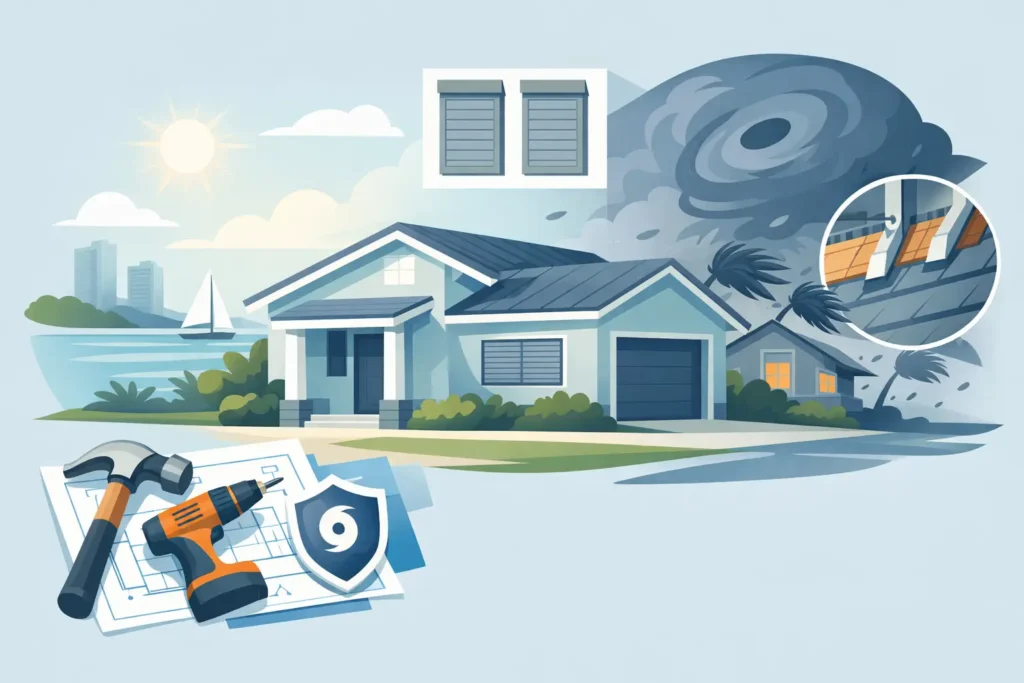
A hurricane warning is not the time to find out whether your roof, windows, and doors can handle wind-driven rain. This hurricane proof home improvement guide helps South Florida homeowners make smart upgrades before storm season puts every weak point to the test.
For homes in Broward, Miami-Dade, and Palm Beach counties, protection is rarely about one product. A stronger home is a system: a roof that stays attached, openings that resist impact and pressure changes, and energy improvements that make the property more comfortable and affordable every day of the year.
Start With the Areas That Can Cause the Most Damage
Not every home needs the same project first. The right priority depends on the age of the house, its current condition, local code requirements, insurance needs, and your budget. Still, most hurricane-related losses begin when the building envelope fails – the roof, windows, doors, garage door, or other opening lets wind and water inside.
A professional inspection can help you identify whether you have a repair issue or a replacement issue. A few missing shingles may be repairable. Widespread wear, recurring leaks, soft roof decking, outdated materials, or a roof approaching the end of its useful life usually call for a bigger conversation.
The same goes for windows and doors. A window can look fine from inside while its frame, glazing, seals, or hardware no longer provide the level of protection your home needs. Do not rely on appearance alone when your family and property are on the line.
Protect the Roof Before It Protects Everything Else
Your roof is your first line of defense against hurricane-force wind and heavy rain. When roofing materials lift or water gets beneath them, damage can spread quickly through insulation, ceilings, electrical systems, and personal belongings.
A roof replacement is often the most meaningful resilience upgrade for an older South Florida home. Modern roofing systems are designed to meet current wind standards, but the installation matters just as much as the material. Proper fastening, underlayment, flashing, ventilation, and attention to roof-to-wall connections all affect how the system performs during severe weather.
Homeowners should also think beyond the next storm. A quality roof can improve curb appeal, support resale value, reduce the chance of costly water damage, and help make insurance conversations easier. The best option is not always the cheapest bid. Compare the scope of work, the materials proposed, permit responsibilities, warranty coverage, and the contractor’s local experience.
If your roof has been patched repeatedly, has visible wear, or is nearing the age when insurers begin asking questions, it is wise to evaluate it before hurricane season arrives. Waiting until a storm is already approaching can limit your choices and increase stress when crews are in high demand.
Make Windows and Doors Part of Your Hurricane Plan
Impact-resistant windows and doors do more than protect against flying debris. They help preserve the integrity of the home when pressure builds around openings. If a window or door fails during a storm, wind can enter the house, increasing the force acting on the roof and walls.
Impact products are designed and tested to handle specific wind and impact conditions. They can also deliver everyday benefits that homeowners feel long after the forecast clears: reduced outside noise, better UV protection for furnishings, improved comfort near glass, and less strain on the air conditioning system.
There is a trade-off to consider. Impact windows and doors are a larger upfront investment than basic replacement products or temporary shutters. But for many South Florida homeowners, they reduce the need to install panels before every storm and remove them afterward. They can also support insurance savings, although discounts vary by carrier, policy, and the features already documented on your home.
Pay attention to every opening, not only the front-facing windows. Sliding glass doors, French doors, side entry doors, garage doors, and smaller utility openings can all be vulnerable. A coordinated opening upgrade gives your home more consistent protection than replacing a few windows while leaving weaker areas untouched.
Use This Hurricane Proof Home Improvement Guide to Plan in the Right Order
A practical project plan prevents you from spending money on cosmetic updates while major vulnerabilities remain. Start with an honest assessment of the exterior, then choose upgrades based on risk and long-term value.
For most homes, the order looks like this:
- Address active roof leaks, aging roofing, and structural concerns first.
- Upgrade windows, exterior doors, and garage protections where needed.
- Improve drainage, seal gaps, and trim trees away from the roof and power lines.
- Add energy-focused improvements, including solar, once the roof and exterior plan are secure.
This order is not absolute. If your roof is newer but your original windows are poorly performing, impact windows may be the urgent priority. If you are replacing the roof anyway, that can be the right time to evaluate solar panel installation, since the roofing and solar plans should work together rather than compete for space and warranties.
Add Solar After You Have a Solid Roof Strategy
Solar is not a hurricane protection product by itself, but it can be an excellent part of a resilient home improvement plan. South Florida homeowners use solar to reduce reliance on utility power, manage long-term energy costs, and add value to a property that already needs substantial cooling for much of the year.
The key is timing. Installing solar on a roof that may need replacement soon can create unnecessary expense later because panels may need to be removed and reinstalled. If your roof is older or showing signs of decline, inspect and address it first. A coordinated project helps ensure that the roof system, panel layout, permitting, and electrical work are planned correctly from the beginning.
Solar savings depend on your home’s energy use, roof orientation, shading, system size, utility rates, and financing approach. Be cautious of promises that make savings sound identical for every household. A trustworthy proposal should explain the assumptions behind estimated production and help you understand the full cost of ownership.
Budget for Protection Without Rushing the Decision
Many homeowners delay necessary upgrades because they assume they must pay the full cost in cash. That is not always the case. Financing options, including PACE-related programs for qualifying property improvements, may help make larger projects more manageable.
PACE financing can be useful for homeowners who want to invest in qualifying energy efficiency, renewable energy, or resilience improvements without a traditional large upfront payment. However, it is a property-based assessment, not a typical home loan. Review the repayment terms, annual assessment amount, potential effect on a future sale or refinance, and lender requirements before choosing any financing method.
The goal is not simply to find the lowest monthly number. It is to choose a payment structure that makes sense for your household while allowing you to complete work that protects the home properly. A rushed, partial fix can become more expensive than a well-planned project done once.
Do Not Forget the Small Details That Support Big Upgrades
Even a new roof and impact windows benefit from regular maintenance. Keep gutters and drains clear so water has a path away from the house. Check caulking around openings, inspect exterior doors for worn weatherstripping, and make sure trees are trimmed away from the roofline.
Keep copies of permits, product approvals, warranties, invoices, and inspection records in one secure place. These documents can be valuable when updating insurance, selling the home, or confirming what was installed after a storm. Before each hurricane season, review your emergency plan, clear loose yard items, and know how to secure any exterior equipment.
A stronger home does not happen by accident. It comes from making smart decisions before the pressure is on. Whether you begin with a roof replacement, impact windows and doors, or a coordinated solar plan, Hurricane Heroes can help South Florida homeowners take the next step with confidence and practical guidance built around their property.