


 Español
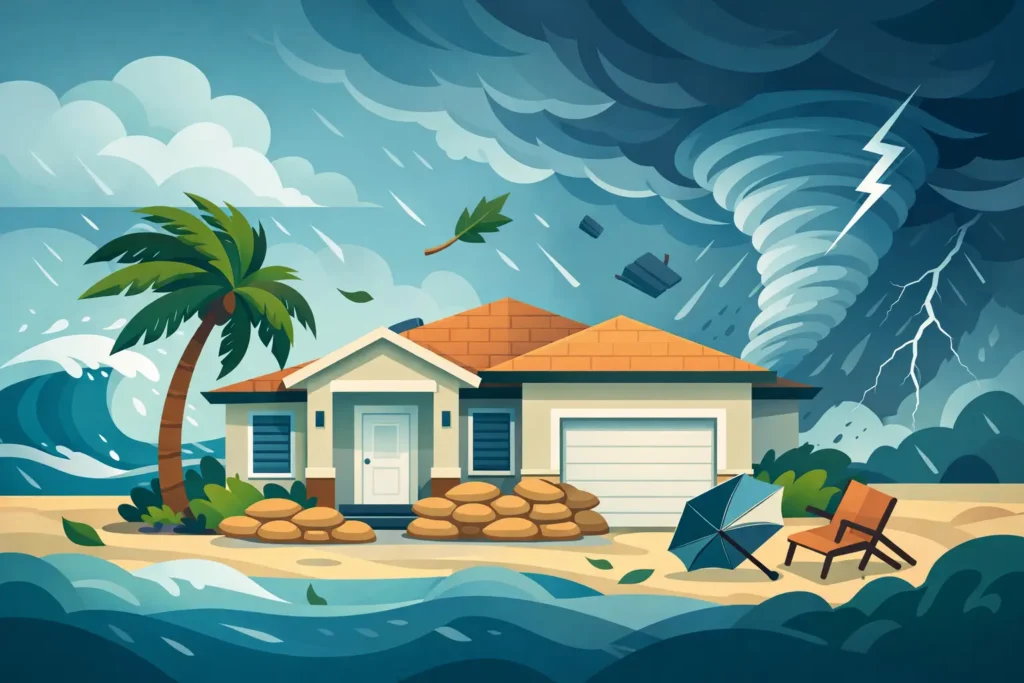
A loose shingle, a weak garage door, or an older window can turn a manageable storm into an expensive insurance claim. Knowing how to reduce storm damage starts with recognizing that your home works as one protective system. When the roof, windows, doors, drainage, and exterior are maintained together, your property has a better chance of standing up to South Florida wind, rain, flying debris, and heat.
For homeowners in Broward, Miami-Dade, and Palm Beach counties, storm preparation is not about panicking when a named system appears on the forecast. It is about making practical upgrades before hurricane season puts every weak point to the test.
How to Reduce Storm Damage Before Hurricane Season
The best time to prepare is when contractors, materials, and inspections are readily available. Last-minute preparation still matters, but permanent improvements made well before a storm offer far more protection than temporary fixes alone.
Start with a close look at your roof. Your roof is the first line of defense against wind-driven rain, yet many homeowners only notice trouble after a leak reaches the ceiling. Look for curled, cracked, missing, or lifted shingles; damaged flashing around vents and chimneys; loose gutters; and signs of water staining in the attic. If your roof is aging or has already been repaired multiple times, a professional evaluation can help you decide whether targeted repairs are enough or replacement is the better long-term choice.
A newer roof built to current Florida requirements can improve wind resistance, reduce the risk of water intrusion, and make the home more attractive to future buyers. The right choice depends on the roof’s age, its existing condition, and whether repairs would simply delay a larger problem. Spending less today on repeated patchwork can cost more if the next storm exposes broader damage.
Windows and exterior doors deserve the same attention. Standard glass can break under impact, allowing wind pressure and rain into the home. Once an opening fails, the pressure inside can increase the strain on the roof and walls. Impact-resistant windows and doors are designed to help protect the building envelope while also providing everyday benefits such as noise reduction, stronger security, and improved energy efficiency.
Protect the Openings That Let Storms In
Every opening in your exterior should close, lock, and seal properly. That includes front doors, sliding glass doors, garage doors, windows, attic vents, and utility openings. A door that sticks or a window with deteriorated seals may seem minor on a calm day, but strong wind can quickly turn a small gap into a path for water.
Impact-rated windows and doors are a lasting solution for many South Florida homes. They eliminate the need to install and remove panels before every storm, though they should still be inspected periodically for damaged frames, worn weatherstripping, and hardware that no longer locks tightly. If impact products are not yet in your budget, make sure you have properly fitted, code-appropriate storm shutters or panels ready before a storm watch is issued.
Do not overlook the garage door. Large garage doors cover a wide opening and can be vulnerable to wind pressure when they are older, damaged, or not reinforced. Have a qualified professional inspect the tracks, rollers, springs, and bracing. Never attempt to adjust high-tension springs yourself.
Keep Water Moving Away From the House
Wind may get the headlines, but water is often what creates the most frustrating and costly damage after a storm. Heavy rain can overwhelm clogged gutters, poorly graded yards, and undersized drainage paths. Water that pools near the foundation can enter through low points, damage landscaping, and contribute to moisture problems inside the home.
Clean leaves, seed pods, and debris from gutters and downspouts several times a year, especially before the peak of hurricane season. Downspouts should direct water away from the foundation rather than dumping it at the base of the home. Check that yard drains are clear and that landscaping does not block the natural flow of water.
If your property has recurring standing water, speak with a drainage professional about grading, swales, drain improvements, or other solutions suited to the site. There is no single fix for every property. A home near the coast, a low-lying lot, and a property with dense tree coverage can each have different water-management needs.
Secure the Exterior Before Wind Does It for You
Walk around the property with wind in mind. Ask what could become airborne, what could strike the house, and what could allow water inside. Patio furniture, grills, planters, outdoor décor, pool equipment covers, trash bins, and children’s play equipment should be stored or secured well before storm conditions arrive.
Trees also need regular attention. Trim dead, diseased, or overhanging branches, particularly those near the roof, windows, power lines, or vehicles. Avoid aggressive pruning right before a major storm if it could weaken the tree or leave large fresh cuts. A licensed arborist can identify risks that are not obvious from the ground.
Inspect fences, gates, sheds, soffits, fascia boards, and exterior light fixtures. Loose components can break away in high winds and create secondary damage. Small repairs made during dry weather are usually easier, faster, and less expensive than emergency work after a storm.
Build a Storm Plan for the People Inside
Home improvements reduce physical risk, but a clear household plan reduces confusion when conditions change quickly. Keep copies of insurance documents, identification, medication lists, and important contacts in a waterproof container and in secure digital storage. Photograph each room and the exterior of your home before hurricane season. A current inventory can make an insurance claim easier if damage occurs.
Your emergency supplies should cover more than bottled water and flashlights. Include batteries, a first-aid kit, prescription medications, pet supplies, chargers, a battery-powered radio, basic tools, and enough food and water for your household. If someone in the home relies on powered medical equipment, plan early for backup power and evacuation options.
Review your insurance policy before a storm is approaching. Confirm your hurricane deductible, wind coverage, flood coverage, and the steps required to file a claim. Standard homeowners insurance may not cover flood damage, and waiting until a storm is imminent is not the time to discover a coverage gap.
Choose Upgrades That Protect and Pay Back
The strongest storm-preparedness projects often deliver value long after hurricane season ends. A quality roof supports better weather protection. Impact windows and doors can help reduce outside noise and solar heat. Solar panels may lower electric bills and provide more predictable energy costs, though backup power during an outage requires the right battery and system design.
For many homeowners, completing these projects together can be more efficient than hiring separate companies over several years. Coordinating roofing, impact protection, and solar planning helps prevent one project from interfering with another. It can also make scheduling, permitting, and financing easier to manage.
Cost is a real consideration, and the right project sequence depends on your home’s risks and budget. If the roof is near the end of its service life, address it first. If windows are damaged, outdated, or unprotected, prioritize the openings. If upfront cost is the obstacle, ask about available financing options, including PACE-related education where applicable, so you can understand the full payment terms and fit for your property.
Hurricane Heroes helps South Florida homeowners coordinate these high-value upgrades with local installation experience and a focus on long-term protection. The goal is not to sell a one-size-fits-all package. It is to help you make decisions that protect the home you have worked hard to build.
Do Not Wait for a Forecast to Act
No product or preparation can guarantee that a home will avoid every storm-related loss. Extreme conditions, flooding, and falling trees can overwhelm even well-maintained properties. But preparation meaningfully improves your odds, limits preventable damage, and gives your family more confidence when the forecast turns serious.
Take one useful step this week: inspect your roofline, test every exterior door and window, clear the gutters, or schedule a professional assessment. A stronger Florida home is built long before the first warning is issued.