


 Español
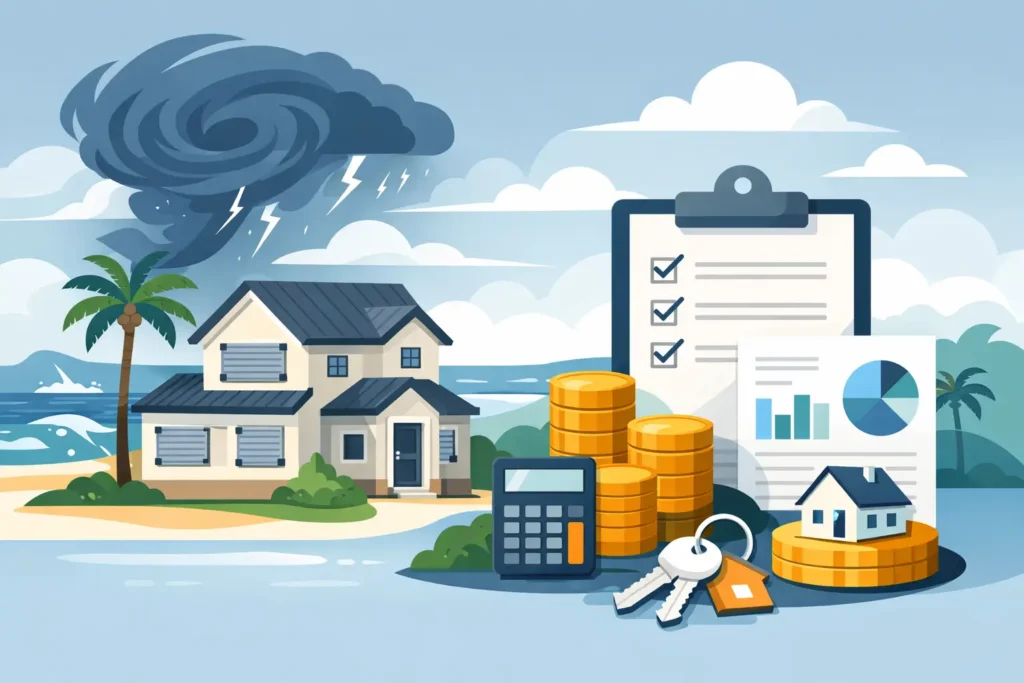
A lot of South Florida homeowners wait until a storm is on the radar to think about impact windows, a stronger roof, or backup-friendly solar. That is usually the most expensive time to act. If you are wondering how to finance storm upgrades, the real goal is not just finding a payment plan. It is choosing a financing path that protects your cash flow while helping you strengthen your home before the next season puts pressure on your timeline.
Storm upgrades are not a cosmetic project. They sit in the same category as a major repair or a safety improvement because they affect how your home holds up under wind, rain, heat, and flying debris. In Broward, Miami-Dade, and Palm Beach counties, those upgrades can also affect insurance, resale value, and monthly energy costs. That is why the best financing choice is rarely the one with the lowest advertised payment alone. It has to make sense for your property, your budget, and how long you plan to stay in the home.
How to finance storm upgrades without straining your budget
The first step is getting clear on the scope of work. Financing a full roof replacement is different from financing impact windows throughout the house, and both are different from combining roofing, doors, windows, and solar into one project. Many homeowners make the mistake of pricing each upgrade separately and then financing them in pieces. That can create overlapping payments, mismatched timelines, and more disruption than necessary.
Bundling improvements often gives you a cleaner path. If your roof is nearing the end of its life and your current windows are not impact-rated, it may be smarter to address both at once rather than paying twice for mobilization, permits, and project coordination. The monthly payment may be higher, but the long-term value can be stronger because you are solving multiple storm-related risks in one move.
Before you choose a financing option, think through three practical questions. How much can you comfortably pay each month? Do you want to preserve your savings for emergencies? And are you planning to stay in the home long enough to benefit from lower utility bills, possible insurance savings, and reduced maintenance? Those answers matter more than any sales pitch.
The most common ways to pay for storm upgrades
For many homeowners, cash is the simplest option. If you have the reserves and using them will not leave you exposed, paying upfront avoids interest and keeps the project straightforward. The downside is obvious. A major roof, a full set of impact windows, or a solar installation can tie up a large amount of liquidity that you may prefer to keep available for deductibles, repairs, or retirement needs.
Home equity loans and home equity lines of credit can work well when you have substantial equity and strong credit. These options often offer lower rates than unsecured financing, and they can be a fit for larger projects. The trade-off is that approval may take time, the process can feel more like a traditional loan application, and monthly payments begin right away. If you need to move quickly before storm season, speed can become a deciding factor.
Personal loans are another route. They can be easier to access than equity-based financing, especially for smaller upgrades or partial projects. But rates are usually higher, loan limits may be lower, and the monthly payment can feel steep if the term is short. That can make them better for a single improvement rather than a whole-home resilience package.
Contractor-arranged financing is popular because it keeps the process moving. Instead of finding a lender on your own, you work with a company that offers financing options as part of the project. This can reduce friction and help you compare payment structures quickly. Still, not every financing offer is built the same. You want to understand the rate, the term, any fees, and whether the payment still feels manageable if your insurance or tax costs increase later.
PACE-related financing often comes up in Florida conversations around energy efficiency and storm-hardening improvements. For the right homeowner, it can be a practical option because it may reduce the need for upfront cash and can be available even when traditional credit options are less appealing. But it needs to be understood clearly. The repayment structure is different from a standard installment loan, and homeowners should make sure they understand how it is repaid, how it may affect future transactions, and whether it fits their long-term plans.
How to finance storm upgrades with PACE-related options
If you are looking into how to finance storm upgrades with a PACE-related program, think of it as a property-based funding model rather than a typical bank loan. That distinction matters. The approval process, repayment structure, and overall fit can be very different from what people expect when they hear the word financing.
For some South Florida homeowners, that difference is exactly the benefit. PACE-related funding can make it easier to move forward with needed improvements like impact windows, doors, roofing, or solar without draining savings. It may also help homeowners who want to tackle larger bundled projects instead of delaying one part now and another part later.
That said, this is not a one-size-fits-all answer. A homeowner planning to sell in the near future should ask more questions than a homeowner who expects to stay put for years. Someone on a fixed income should also look closely at the full payment picture, not just the fact that there may be little or no upfront cost. Good financing should create stability, not stress.
What makes one financing option better than another
The best financing plan usually balances four things: speed, affordability, flexibility, and total project value. If you are replacing a failing roof ahead of peak hurricane season, speed matters. If you are retired and managing a fixed monthly budget, affordability comes first. If you are improving an investment property, flexibility and long-term return may matter more than the lowest short-term payment.
It also helps to look beyond the project price. Storm upgrades can do more than protect the structure. A new code-compliant roof may help your home present better to insurers. Impact windows and doors can improve security and reduce outside noise. Solar can offset high energy bills over time. When several of those benefits work together, a financed project may make more sense than it first appears.
That does not mean every upgrade pays for itself quickly. Some benefits are financial, and some are about protection and peace of mind. You are not just buying materials. You are buying a stronger shell around your home and fewer weak points when weather turns serious.
Avoid the financing mistakes that cost homeowners later
The biggest mistake is choosing based only on the lowest monthly payment. A payment can look comfortable while the total cost becomes much higher over time. Another common problem is financing the wrong scope. Homeowners sometimes replace windows but delay the roof, or install solar before addressing the envelope of the house. If the sequence is wrong, the overall return can suffer.
It is also easy to underestimate project coordination. Working with multiple contractors may seem like a way to shop for the lowest number, but it can create delays, finger-pointing, and inconsistent standards. A coordinated plan often brings more value because the upgrades are designed to work together.
And never sign financing paperwork without understanding every part of it. Ask how payments are made, when they begin, what fees apply, whether there is a prepayment penalty, and how the financing may affect future decisions about refinancing or selling. Straight answers matter.
A smarter way to plan the project
If your home needs more than one upgrade, start with a full assessment instead of a single product quote. You want to know what is urgent, what can be bundled, and what order makes the most sense. A roof near failure is urgent. Old non-impact windows in a high-wind area are also a serious vulnerability. Solar may be the right add-on once the home is properly protected.
This is where working with a local company that understands South Florida conditions can save time and money. Hurricane Heroes helps homeowners look at roofing, impact openings, and solar as one protection strategy instead of unrelated purchases. That matters because financing is easier to evaluate when the project itself is well planned.
If you are serious about how to finance storm upgrades, start with the home you have, the risks you face, and the monthly payment you can truly support. A strong financing plan should help you act before the next storm, not leave you second-guessing every bill. The right upgrade at the right time can make your home safer, more efficient, and far less vulnerable when Florida weather does what Florida weather does.