


 Español
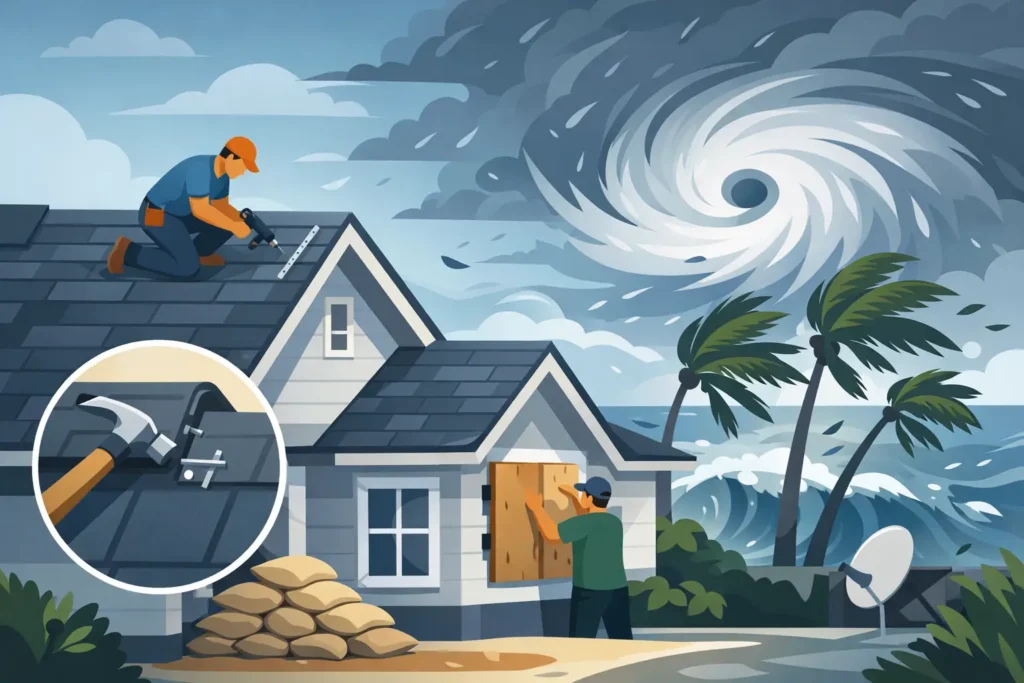
A roof usually does not fail all at once. In a South Florida storm, it starts with one weak edge, one loose shingle, one aging fastener, or one section that was patched a little too many times. If you are wondering how to prepare roof for hurricanes, the best time is before watches and warnings start stacking up. Once a storm is in the forecast, your options get smaller, contractors get booked, and small problems become expensive ones.
For homeowners in Broward, Miami-Dade, and Palm Beach, roof prep is not just seasonal maintenance. It is part of protecting your family, reducing water intrusion, and preserving the value of your home. A stronger roof can also support lower insurance costs and better long-term performance, especially when improvements are made to current wind-mitigation standards.
How to prepare roof for hurricanes starts with a real inspection
A quick look from the driveway is not enough. Roof issues often show up where homeowners cannot safely see them – along flashing, under ridge caps, around penetrations, or at the roof-to-wall connection points. If your roof is more than a few years old, or if it has already been through major storms, an inspection should be the first step.
What matters most is not whether the roof looks fine from the ground. What matters is whether the system is still holding together the way it should under uplift pressure and wind-driven rain. Missing shingles are obvious, but curling tabs, brittle materials, loose underlayment, cracked tile, soft decking, and failed sealants are the details that often lead to leaks during a hurricane.
This is also where age matters. An older roof may still be serviceable, but serviceable and storm-ready are not always the same thing. If repairs are scattered across multiple areas, or if the roof is near the end of its useful life, spending money on temporary fixes may not be the smartest move.
Fix small roof problems before they become storm damage
The roofs that perform best in hurricanes are usually the ones that were maintained early, not rushed at the last minute. If your roof already has vulnerable spots, strong winds will find them.
Loose shingles should be replaced. Cracked or displaced tiles need attention. Flashing around chimneys, vents, skylights, and roof valleys should be secured and resealed where needed. If the roof deck has any soft or damaged areas from past moisture intrusion, those sections should be evaluated right away.
Gutters also deserve more attention than they usually get. Clogged gutters can force water back onto the roofline and increase the chance of edge damage. Clean them out, secure any loose brackets, and make sure downspouts are directing water away from the home. In heavy rain, drainage problems can turn into roof and fascia problems quickly.
If you have soffit or fascia damage, do not ignore it because it seems minor. Wind can get underneath vulnerable edges and start peeling away sections of the roofing system. A roof is only as strong as its weakest connection.
Reinforcement matters more than appearance
Many homeowners focus on visible roofing materials, but hurricane resistance depends on the full assembly. Shingles, tile, underlayment, decking, and attachment methods all work together. If one layer is weak, the whole system becomes more vulnerable.
This is where professional reinforcement can make a real difference. Roof-to-wall connections, secondary water barriers, upgraded underlayment, improved fastening patterns, and code-compliant installation methods all help a roof stand up better to extreme weather. These are not cosmetic upgrades. They are protective upgrades.
There is also a trade-off to consider. Reinforcing an existing roof can be worthwhile if the structure is in good shape and the remaining lifespan justifies the investment. But if your roof is already aging out, putting too much money into piecemeal reinforcement may not deliver the value you want. In that case, a full replacement with hurricane-rated materials may be the more practical and more cost-effective decision.
How to prepare roof for hurricanes when your roof is older
If your roof is 15 to 20 years old, preparation may look different than it does for a newer home. Older roofs often have more than one concern at once – worn materials, outdated installation methods, weaker attachment systems, and repairs completed under older codes.
That does not always mean replacement is the only answer, but it does mean you should be realistic. An older roof may survive a moderate storm and still struggle in a major one. If you are already seeing repeated leaks, granule loss, broken tiles, sagging areas, or signs of past patchwork in several locations, a detailed assessment is worth it.
For many South Florida homeowners, replacement becomes less about appearance and more about reducing future risk. A new roof built for current code requirements can improve protection, support insurance documentation, and give you more confidence when storm season ramps up.
Trim trees and secure what is above the roofline
Not every roof problem starts on the roof. Overhanging branches, loose yard items, and nearby hazards can do serious damage once wind speeds rise. Tree limbs that scrape the roof in normal weather are even more dangerous during a storm, especially near valleys, ridges, and roof penetrations.
Trim back branches that hang over the home and remove dead or unstable limbs. Look around the property for anything that could become airborne and strike the roof – patio furniture, planters, loose fencing, and even lightweight equipment. These steps may sound basic, but impact damage often begins with objects from your own yard or a neighbor’s.
If your home has solar panels, satellite equipment, or rooftop accessories, those attachments should also be checked. Proper mounting matters. Anything secured to the roof needs to be installed and maintained with storm exposure in mind.
Do not wait for a named storm to make a roofing decision
Once a storm is approaching South Florida, roof work becomes harder to schedule, material availability can tighten, and temporary repairs may be all you can get. That is why early action matters.
If you already know your roof has issues, the smartest move is to address them before hurricane season peaks. Homeowners who wait often end up paying more for emergency measures that do not solve the root problem. Worse, they may face interior water damage, mold concerns, insulation loss, and disruptions that spread far beyond the roof itself.
There is peace of mind in knowing your home is ready. There is also practical value. A roof project completed before storm pressure builds gives you more time to review options, compare materials, understand financing, and make a decision that fits both your property and your budget.
A stronger roof can support more than storm protection
Roof preparation is first about safety, but it can also create financial advantages. Depending on the work completed, homeowners may see insurance benefits tied to wind-mitigation improvements. A newer roofing system can also help with energy performance, especially when paired with better ventilation or coordinated upgrades to impact windows, doors, or solar.
That bigger-picture approach matters because homes do not perform as separate parts. A strong roof works better when the rest of the exterior envelope is protected too. For some homeowners, it makes sense to phase improvements over time. For others, bundling projects creates better efficiency and less disruption. It depends on the condition of the home, the urgency of the need, and the financing path available.
That is one reason many South Florida property owners look for one trusted local team that understands roofing, storm protection, and long-term home performance together. Hurricane Heroes serves homeowners who want that kind of practical, coordinated support.
What homeowners can do now
If you want to prepare your roof before the next major storm threat, start by being honest about its condition. If you have not had it inspected recently, schedule that first. If repairs have been delayed, move them up. If your roof is older and showing its age, ask whether more repairs truly make sense or whether replacement would better protect your home.
Keep gutters clear, trim back trees, secure rooftop attachments, and do not overlook soffit, fascia, or flashing issues. These steps may seem small on their own, but together they reduce the number of ways wind and water can get into your home.
Storm prep works best when it is done calmly, not urgently. The homeowners who feel most confident during hurricane season are usually the ones who handled the roof before the radar lit up. A stronger roof does more than sit on top of your house. It helps protect everything underneath it when Florida weather gets serious.