


 Español
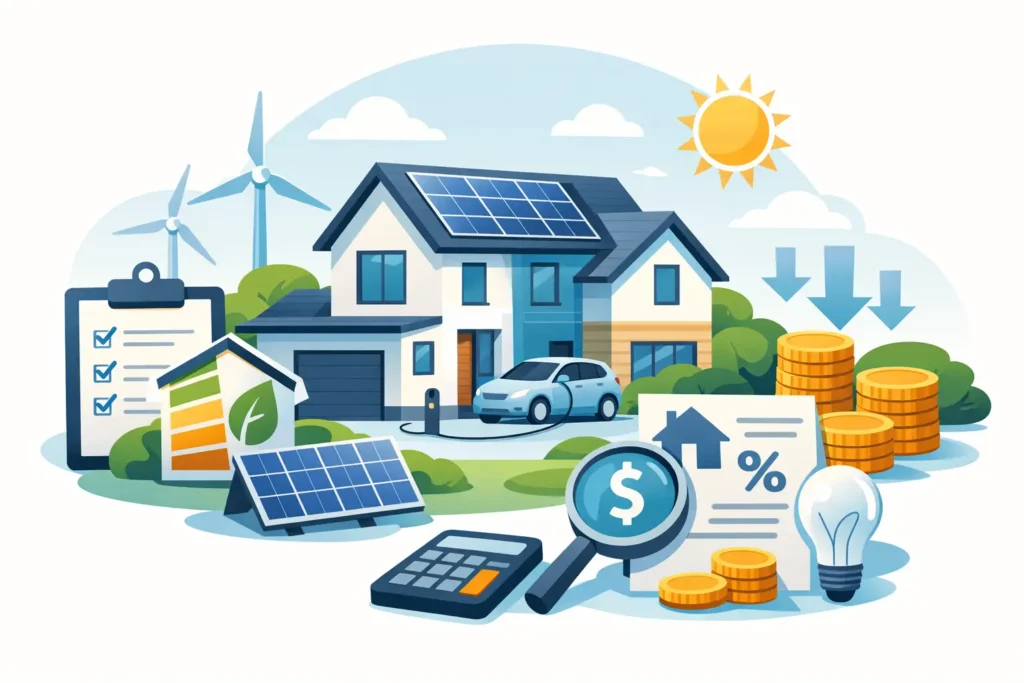
If you are asking what energy efficient home improvements are tax deductible, you are probably trying to make a smart upgrade without leaving money on the table. That is the right question, especially in South Florida, where high heat, rising utility bills, and storm risk make every home improvement decision carry more weight.
The short answer is that some energy-related upgrades can qualify for federal tax credits, but not every project gets the same treatment. The rules depend on what you install, whether it is your primary residence, and whether the improvement meets current efficiency standards. For homeowners in Broward, Miami-Dade, and Palm Beach, that means it is worth looking closely at solar, certain doors and windows, insulation, and other qualified improvements before starting a project.
What energy efficient home improvements are tax deductible or credit eligible?
First, a useful distinction. Many homeowners say tax deductible when they really mean tax credit. Those are not the same thing.
A tax deduction reduces your taxable income. A tax credit reduces the actual tax you owe, dollar for dollar. For most homeowners considering energy upgrades, the bigger opportunity is usually a federal tax credit rather than a deduction.
That matters because a qualifying credit can have a more direct impact on your tax bill. It also means you should not assume every improvement to your home counts just because it lowers your electric bill.
The upgrades most likely to matter for South Florida homeowners
If your goal is lower energy use and possible tax benefits, a few improvements tend to come up again and again.
Solar panels usually lead the conversation
For many Florida homeowners, solar is the clearest example of an energy improvement that may qualify for a federal tax credit. If you install a qualifying solar energy system on a home you own in the United States, you may be eligible for a percentage-based credit on installation costs.
This is one reason solar remains so attractive in South Florida. You are not just offsetting high cooling costs. You may also reduce the net cost of the project through tax savings, depending on your situation. If battery storage is included and meets current rules, that may qualify too.
The trade-off is that a tax credit only helps if you have enough tax liability to use it. It is still a valuable benefit, but it should be considered alongside roof condition, shading, financing terms, and how long you plan to stay in the home.
Energy-efficient windows and doors can qualify, but only in certain cases
This is where many homeowners get tripped up. New windows and exterior doors may qualify for a federal tax credit if they meet specific efficiency requirements. But not every impact window or replacement door automatically qualifies.
In South Florida, homeowners often shop for windows and doors because they want hurricane protection first and energy performance second. That is a smart priority. Still, if you are replacing old openings, you may be able to get both benefits at once if the products meet the right standards.
The key is product eligibility. A strong, code-compliant impact window is not necessarily enough on its own for tax purposes. You need to verify that the manufacturer certification aligns with the current federal requirements. This is one of those areas where details matter.
Insulation and air sealing may count
If your home has weak attic insulation or major air leaks, improvements in these areas may also qualify under current energy efficiency credit rules. In Florida, insulation does not always get the attention that windows, roofing, and solar receive, but it can make a noticeable difference in comfort and cooling costs.
Older homes in particular may lose conditioned air faster than owners realize. Sealing leaks and improving insulation may not be as visible as a new roof, but it can support lower monthly bills and better HVAC performance.
Heat pumps, water heaters, and HVAC equipment may be eligible
Some high-efficiency heat pumps, central air systems, water heaters, and related equipment may qualify for credits as well. These are not always the first projects South Florida homeowners think about when they hear energy improvements, but they often deserve a closer look.
If your cooling system is aging, replacing it with a qualified high-efficiency unit may improve comfort immediately. The tax side can help, but the more immediate win is often reduced strain during long summer months.
Where roofs fit into the picture
Roofing is a common question, especially for homeowners replacing older systems after storm wear, insurance pressure, or visible damage.
A standard roof replacement is generally not treated the same as solar or certain qualified efficiency upgrades. In many cases, the roof itself does not qualify for a federal energy tax credit just because it is new. Some roofing components or materials tied to specific energy standards may have qualified under prior programs, but homeowners should be careful about assuming a roof replacement is tax deductible simply because it improves efficiency.
That said, a roof still plays a major role in your home’s energy performance. Better ventilation, reflective materials where appropriate, and proper installation can all help reduce heat gain. In Florida, that can mean lower cooling demand and a longer-lasting building envelope. It just may not produce the same tax outcome as solar panels or qualifying windows.
What energy efficient home improvements are tax deductible for a primary residence?
Your primary residence is usually where the clearest opportunities exist. Federal energy credits often apply to improvements made to a home you live in, not just any property you own.
That becomes important for landlords and second-home owners. Some credits may apply differently depending on whether the property is your principal residence, a vacation home, or an investment property. If you own multiple homes in South Florida, do not assume the same rule applies across all of them.
It also matters when the upgrade is placed in service. In plain English, that means the timing of installation and completion can affect the tax year in which you may claim the benefit.
Documentation matters more than most people expect
Even when an improvement qualifies, poor documentation can create problems later. Keep manufacturer certifications, product specifications, invoices, proof of payment, and installation records.
This is especially important with windows, doors, and HVAC equipment because eligibility may depend on efficiency ratings that are not obvious from the sales brochure alone. A contractor can install a great product, but you still need the right paperwork if you want to support a tax claim.
For solar, documentation tends to be more straightforward, but you should still keep a full project file. If financing is involved, make sure you understand how the credit interacts with your payment structure and whether any part of the work falls outside qualifying costs.
Florida homeowners should think bigger than the tax credit alone
Tax benefits are helpful, but they should not be the only reason to move forward. In South Florida, the best projects usually do more than one job at once.
Impact-rated windows and doors can help protect against storms while reducing heat transfer. Solar can lower electric bills while supporting energy independence. A properly planned roof replacement can improve durability, support future solar installation, and help defend your home in hurricane season.
That is often the smartest way to evaluate these projects – not as isolated upgrades, but as part of a stronger, more efficient home. When improvements work together, the long-term value is usually better than chasing one tax break in isolation.
A few mistakes homeowners make
One common mistake is assuming every energy-saving product is automatically tax eligible. Another is moving ahead without checking product certifications. A third is focusing only on upfront price instead of the full picture, including insurance benefits, utility savings, maintenance, and storm resilience.
There is also the issue of timing. Homeowners sometimes wait until the hottest part of the year or the middle of storm season to address a project that should have been planned earlier. If your windows are failing, your roof is near the end of its life, or your electric bills keep climbing, waiting can cost more than acting.
For homeowners looking at bundled improvements, working with a contractor that understands how roofing, impact protection, and solar fit together can simplify the process. Companies like Hurricane Heroes build around that coordinated approach because it helps homeowners solve several problems in one plan instead of patching one issue at a time.
Before you claim anything, verify the current rules
Tax rules change. Credit percentages, annual limits, eligible products, and filing requirements can all shift from one year to the next. That is why the safest approach is to confirm current IRS guidance and speak with a qualified tax professional before filing.
A contractor can help you understand the project side, including product options and installation timing. Your tax preparer should help confirm what applies to your household, your property type, and your expected tax liability.
For South Florida homeowners, the right upgrade can protect your home, lower energy costs, and potentially create tax savings too. The real advantage comes from choosing improvements that work hard in this climate and hold their value long after the paperwork is filed.