


 Español
If your roof is aging, your windows rattle in a storm, or your electric bill keeps climbing, the real question is not just what needs to be fixed. It is what does PACE financing cover, and whether it can help you pay for upgrades that make your Florida home safer and more efficient without a large upfront cost.
For many South Florida homeowners, PACE financing is most useful when a project is more than cosmetic. It is designed for qualifying improvements that strengthen a property, improve energy performance, or support resilience. That makes it especially relevant in Broward, Miami-Dade, and Palm Beach, where storm protection and energy savings are not luxuries. They are part of owning a home responsibly.
What does PACE financing cover in Florida?
At a high level, PACE financing typically covers eligible home improvements tied to energy efficiency, renewable energy, wind resistance, and in some cases water conservation. The exact list depends on the program, local rules, and the property itself, but the common thread is that the project should provide a public or property-level benefit beyond simple appearance.
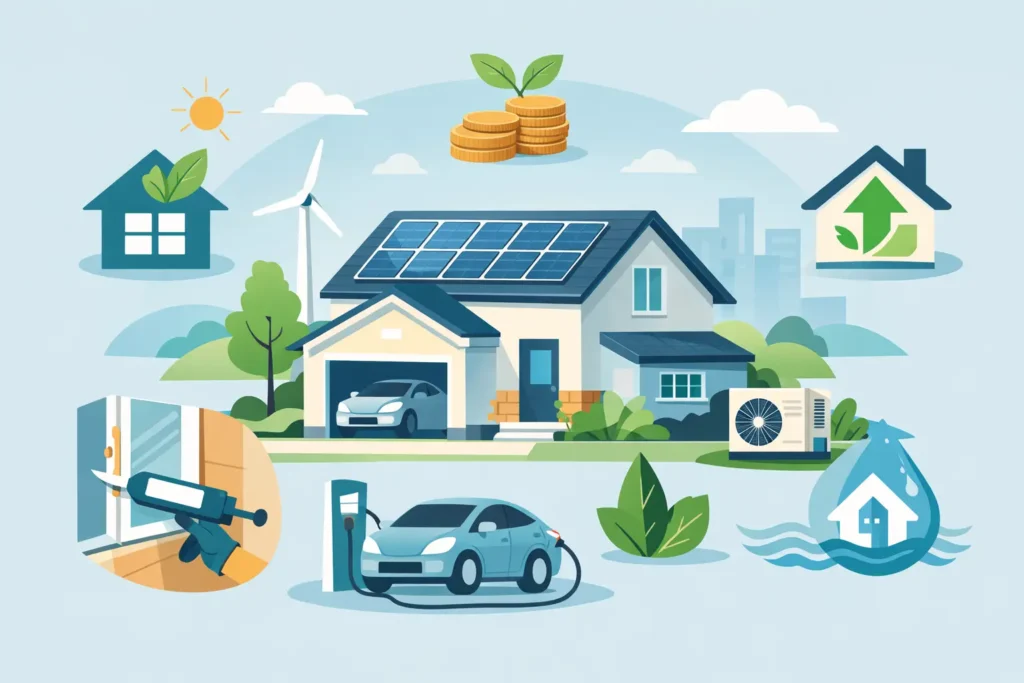
For Florida homeowners, the most common covered categories include roofing, impact-resistant windows and doors, solar panel systems, HVAC upgrades, insulation, and certain weather-related improvements. If a project helps your home hold up better in a hurricane, use less energy, or operate more efficiently, there is a good chance it may qualify.
That said, PACE is not a blank check for any remodel. It usually does not cover purely decorative work like luxury kitchen finishes, room additions with no qualifying efficiency purpose, or general landscaping. A beautiful project is not necessarily an eligible one.
Roofing and hurricane protection upgrades
One of the biggest reasons homeowners ask what does PACE financing cover is because roof replacement is expensive and often urgent. In Florida, a roof is not just a roof. It is one of your home’s first lines of defense against wind, rain, and water intrusion.
PACE often covers qualifying roof replacements and related improvements when they meet program standards. That can include materials and installation tied to better wind resistance or energy performance. If your current roof is near the end of its life, replacing it before storm season can protect the structure underneath and help avoid much costlier repairs later.
Impact-resistant windows and doors are also commonly eligible. These upgrades do more than improve appearance. They help reduce the risk of broken glass, internal pressurization during hurricanes, and costly storm damage. They may also improve insulation and noise control, which gives homeowners value long after the weather clears.
Garage doors can sometimes qualify too, especially when they are part of a wind-resistance strategy. In a strong storm, a weak garage door can become a major failure point. That is why these upgrades matter in real-world terms, not just on paper.
Solar panels, HVAC, and energy-saving improvements
Solar is another major category. PACE financing often covers the cost of solar panel systems and related equipment for qualifying properties. For homeowners dealing with high utility bills, that can be one of the most attractive uses of the program.
Still, solar is not automatically the right move for every house. Roof condition, sun exposure, system size, and your long-term plans for the property all matter. If the roof needs replacement soon, it usually makes more sense to address that first rather than install solar on top of an aging surface.
PACE may also cover HVAC replacement, improved insulation, energy-efficient water heaters, and similar upgrades that reduce energy use. These improvements are less visible than a new roof or new windows, but they can make a major difference in comfort and monthly costs.
For many households, the strongest value comes from combining improvements. A tighter building envelope, better windows, a dependable roof, and efficient cooling can work together better than any one upgrade alone. That is especially true in South Florida, where heat, humidity, and hurricane exposure create year-round pressure on the home.
What PACE financing usually does not cover
This is where homeowners need clarity. PACE generally does not cover projects just because they are expensive or desirable. If you want custom cabinets, new flooring, a patio redesign, or a pool renovation, those items usually fall outside the scope unless they are part of a larger qualifying project and even then, the rules can be strict.
Repairs that restore appearance without improving resilience or efficiency may also be excluded. The same goes for maintenance work that does not meet program criteria. If a project cannot be tied clearly to eligible energy, wind, water, or renewable improvements, you should not assume it qualifies.
This matters because many homeowners hear about PACE from a neighbor or contractor and assume it applies to every part of a renovation. It does not. The best approach is to review the scope line by line before signing anything.
Coverage depends on the property and the program
Even when a project type is commonly eligible, approval still depends on details. PACE programs can vary by provider and municipality. Property eligibility, payment history, mortgage status, available equity, and local program rules can all affect what is approved.
That means two homeowners on the same street may not have identical results. One may qualify for a bundled roof and window project, while another may need to scale back or meet additional conditions first. This is one reason clear contractor guidance matters.
Commercial and residential properties can also face different rules. Some investment properties may qualify, but not in the same way as owner-occupied single-family homes. If you own multiple properties, it is worth asking specific questions instead of relying on general assumptions.
Why South Florida homeowners use PACE
In this market, the appeal is easy to understand. A major storm-hardening project can cost far more than many families want to pay out of pocket. Traditional financing may not fit every homeowner either, especially if they want to preserve cash or avoid certain lending barriers.
PACE can make larger improvements feel more manageable by allowing qualified costs to be repaid over time through a property assessment. That structure is a major reason people consider it for roofs, impact windows, doors, and solar.
But manageable does not mean automatic savings in every case. Homeowners should still look at the full cost, the repayment term, and how the assessment affects the property over time. If you may sell soon, or if monthly affordability is already tight, those factors deserve a close look.
Questions to ask before moving forward
Before starting a project, ask whether every part of the scope is PACE-eligible or only certain components. Ask how the repayment works, what the total cost will be over time, and whether the improvement is likely to support insurance benefits, energy savings, or both.
You should also ask whether the contractor regularly handles PACE-funded work and understands local standards. Experience matters here. A contractor who knows storm protection, permitting, and financing coordination can help prevent delays and confusion.
For homeowners looking at bundled improvements, this is especially important. A roof, impact windows, doors, and solar all affect each other in practical ways. The right plan should protect the home as a system, not treat each upgrade like an isolated purchase.
The smartest way to think about what does PACE financing cover
The best answer to what does PACE financing cover is this: it covers qualifying improvements that help your property become safer, stronger, and more efficient. In Florida, that often means the upgrades homeowners care about most – roof replacement, impact-resistant openings, solar, and energy-saving systems.
The key is not chasing financing for its own sake. It is making sure the project itself is worth doing, the scope is eligible, and the long-term value makes sense for your home and your budget. When those pieces line up, PACE can be a practical path to improvements that protect your property for years.
If you are weighing a project now, start with the upgrades that solve real risks first. A stronger roof, better windows and doors, and lower energy demand do more than improve a home. They give your family more confidence every time the forecast turns serious.