


 Español
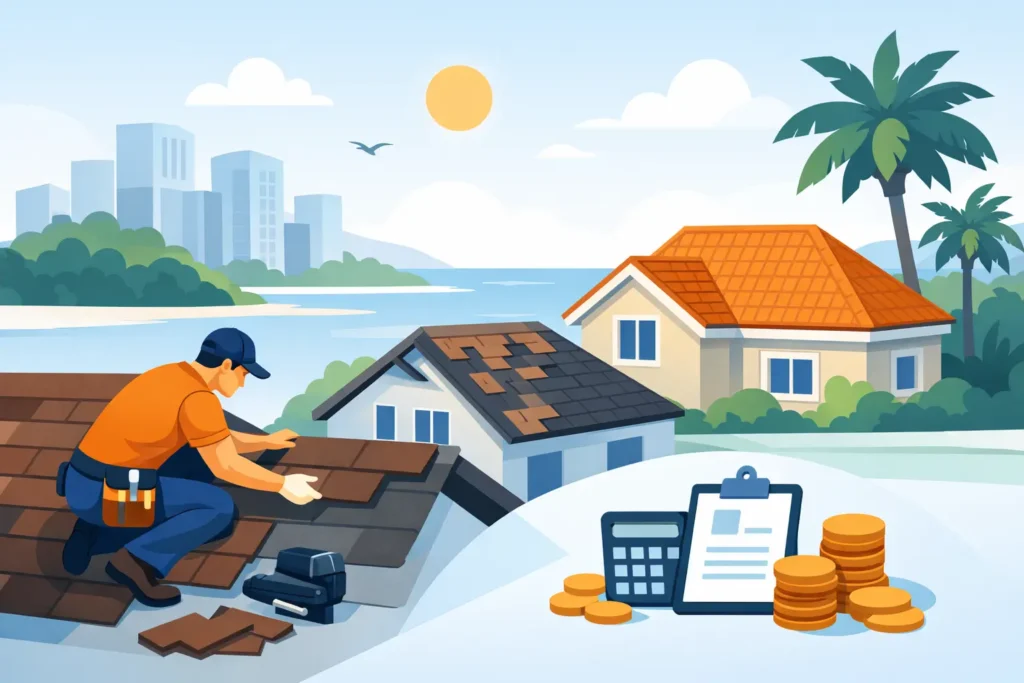
Sticker shock usually hits when a roofer says the words roof replacement cost out loud. One neighbor paid far less a few years ago, another got a quote that seems wildly higher, and now you are trying to figure out what is real for a home in Broward, Miami-Dade, or Palm Beach County. In South Florida, pricing is not just about shingles and square footage. It is about wind resistance, code compliance, insurance concerns, and making sure your home is ready for the next storm season.
What roof replacement cost really includes
A new roof is not a simple swap. Homeowners sometimes expect a price based only on materials, but the real number includes labor, tear-off, disposal, underlayment, flashing, ventilation details, permit costs, inspections, and any decking repairs found after the old roof comes off.
That matters in South Florida because roofing systems are held to tougher standards than in many other parts of the country. Contractors have to meet local building codes designed around high winds and hurricane exposure. If your current roof is older, your replacement may also require updates that were not part of the original installation.
This is why two homes with similar square footage can end up with very different estimates. The visible roof is only part of the job. The hidden layers, the slope, the number of penetrations, and the condition underneath all affect the final price.
Average roof replacement cost in South Florida
For many single-family homes in South Florida, roof replacement cost often falls somewhere between about $12,000 and $35,000 or more. That is a wide range, but it reflects the reality of this market.
An architectural shingle roof on a smaller, simpler home will usually land at the lower end. A larger home with a tile roof, a more complex layout, or structural repairs can push the price much higher. Flat roof sections, multiple elevations, chimneys, skylights, and solar planning can also increase labor and detail work.
If you are comparing your quote to national averages online, be careful. South Florida is its own market. Permit requirements, labor demand, storm-rated materials, and insurance-driven upgrades all tend to raise costs above what you may see in a generic article.
The biggest factors that change roof replacement cost
Roof size and shape
Bigger roofs cost more, but complexity is just as important as size. A simple rectangular roof is faster and easier to replace than one with multiple valleys, steep pitches, dormers, or intersecting sections. More cuts and transitions mean more labor and more material waste.
Roofing material
Material choice has a major impact on price. Asphalt shingles are usually the most budget-friendly option for pitched roofs. Metal roofing often costs more upfront, but many homeowners like it for durability, energy performance, and wind resistance. Tile can deliver a premium look and long service life, but it is heavier, more labor-intensive, and typically more expensive to install.
There is no single best choice for every house. A lower-cost material may help if budget is tight now. A higher-end material may make more sense if you plan to stay in the home, want stronger storm performance, or are aiming for long-term savings.
Tear-off and disposal
Removing the old roof is part of the price. If a roof has multiple existing layers, tear-off can take longer and create more disposal costs. Dump fees, labor, and cleanup all show up in the estimate, even if they are not the first thing homeowners think about.
Decking repairs
This is one of the most common reasons final pricing changes after work begins. If the wood decking under the roof has soft spots, rot, or water damage, it has to be repaired or replaced before the new system goes on.
No responsible contractor should cover damaged decking just to keep a quote low. It is better to address those issues now than pay for leaks, mold, or failed sections later.
Underlayment and code upgrades
In South Florida, underlayment matters. It is part of the moisture barrier that protects your home if roofing materials are damaged in a storm. Upgraded underlayment, enhanced fastening patterns, and code-required installation methods can all increase cost, but they also improve the roof’s ability to perform when conditions get rough.
Permits and inspections
Permits are not optional. Neither are inspections. These steps protect homeowners by helping ensure the roof meets current standards. They also add time and cost to the project, which is normal and necessary.
Why South Florida prices are different
Roof replacement cost is higher here for reasons that actually work in your favor. Homes in this region face hurricane-force winds, intense sun, heavy rain, and long cooling seasons. Roofing systems have to do more than keep water out. They help defend the structure, support energy efficiency, and influence insurability.
That means better materials, better installation practices, and tighter compliance with local rules. It can feel expensive at first glance, but cheaper is not always cheaper if the roof underperforms, fails inspection, or leaves you with preventable storm damage.
For many homeowners, the right question is not just what a roof costs today. It is what a weak or outdated roof could cost after the next major weather event.
How roofing material affects long-term value
Shingle roofs
Shingles are popular because they are affordable and widely available. For many homeowners, they are the most practical path to getting a worn roof replaced without stretching the budget too far. They can also look great when installed well.
The trade-off is lifespan and, in some cases, storm performance compared with premium systems. A quality shingle roof can still be a strong option, but product grade and installation quality matter.
Metal roofs
Metal roofing usually costs more upfront, but it has real appeal in South Florida. It can reflect heat, hold up well in challenging weather, and offer a clean, modern look. Some homeowners also see long-term value through energy savings and durability.
The main trade-off is initial price. Not every budget can absorb it, and not every home style calls for it. Still, if you plan to stay put for years, metal is worth serious consideration.
Tile roofs
Tile is common across South Florida because it fits the architecture and offers long life. It can add curb appeal and support property value, especially in neighborhoods where tile roofs are expected.
But tile is not a bargain option. It tends to cost more to install, can involve added structural considerations, and repairs can be more specialized. Homeowners often choose it for appearance and longevity, not for the lowest upfront number.
How to read a roofing estimate without getting misled
A low quote can be tempting, especially if roof replacement cost already feels higher than expected. But a number by itself does not tell you much. You need to know what is included.
A trustworthy estimate should clearly spell out materials, labor, tear-off, underlayment, flashing, ventilation components, permit handling, cleanup, and how decking repairs are priced if needed. If one quote is dramatically lower than the others, ask why. Sometimes the answer is efficiency. Sometimes it is missing scope.
It is also smart to ask about timelines, warranty coverage, and whether the contractor understands local code and inspection requirements. In South Florida, details matter. A cheaper bid that skips key protections can become the most expensive choice you make.
Can financing make a new roof more manageable?
Yes, and for many households it is the reason a roof gets done before damage gets worse. Financing can help homeowners move forward with a stronger roofing system without waiting to save the full amount in cash.
That is especially relevant when the roof is tied to bigger goals like hurricane protection, insurance eligibility, or combining improvements such as impact windows, doors, or even solar planning. Some homeowners also explore programs related to PACE-style funding because they want to improve the property now and spread the cost over time.
The key is to look at the full picture. Monthly payment matters, but so does project quality, expected lifespan, possible insurance benefits, and the cost of delay.
When replacing now makes more financial sense
Waiting can feel easier, but it often gets more expensive. If your roof is near the end of its life, leaking, missing materials, or showing signs of widespread wear, holding off may lead to interior water damage, deck repairs, insulation issues, or mold concerns.
There is also the insurance side. An aging roof can complicate renewals, inspections, or premiums. Replacing it before it becomes a bigger liability can protect both your home and your options.
That is why many South Florida homeowners stop asking for the cheapest roof and start asking for the right roof. A roof is not just another home project. It is one of the main systems protecting your family, your property, and your peace of mind.
If you are getting estimates, focus on value you can trust – solid materials, code-compliant installation, clear pricing, and a contractor who understands what South Florida homes are up against. The right roof should do more than look new. It should help your home stand stronger when the weather does what Florida weather does.