


 Español
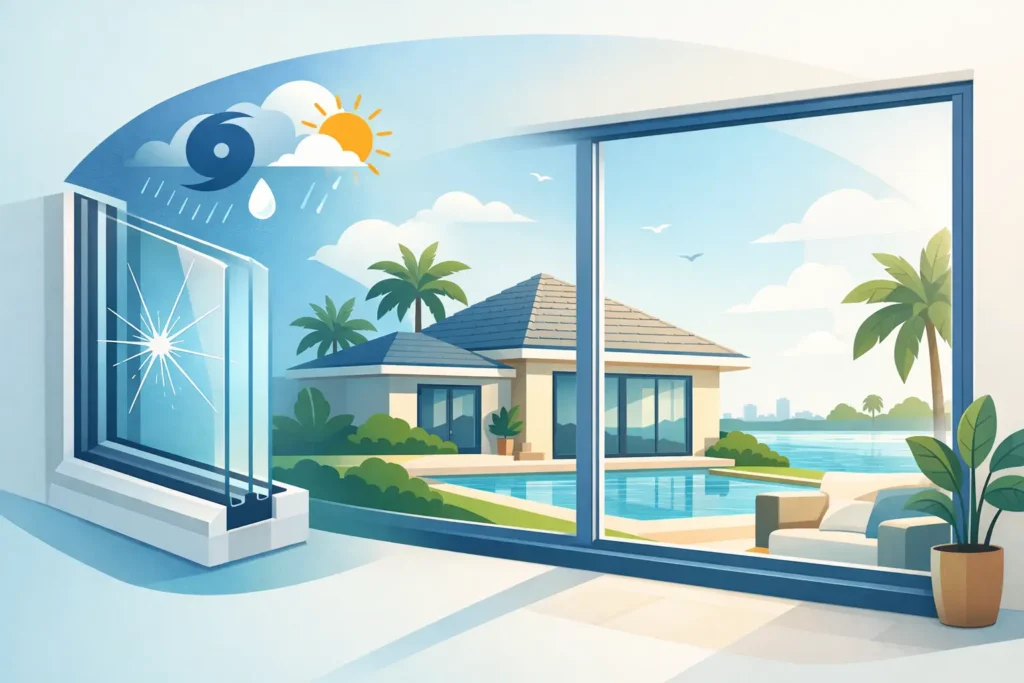
A window quote can look simple on the surface, then get confusing fast once you start comparing glass packages, frame materials, design pressure ratings, permits, and financing. That is exactly why an impact window buying guide matters for South Florida homeowners. When hurricane protection, insurance savings, and long-term value are all on the line, the cheapest option is not always the smartest one.
In Broward, Miami-Dade, and Palm Beach counties, impact windows are not just a cosmetic upgrade. They help protect your home from windborne debris, reduce outside noise, improve energy efficiency, and can strengthen your home’s overall storm-readiness. The right purchase can pay you back in more ways than one. The wrong one can leave you with a product that looks good in a showroom but does not match your property, your budget, or your priorities.
What to look for in an impact window buying guide
The best place to start is with performance, not appearance. Style matters, but protection comes first. In South Florida, your windows should be built and approved for the wind loads and code requirements that apply to your area. Ask about product approvals, large missile impact testing, and design pressure ratings. If a contractor cannot explain those clearly, that is a red flag.
You also want to understand what impact windows actually do. They are built with laminated glass and stronger framing systems designed to resist breakage during severe weather. Even if the glass cracks after a major strike, the interlayer helps keep the opening from failing. That matters because once wind enters a home, pressure can build quickly and increase the risk of major structural damage.
Just as important, impact windows are not all equal. Two products may both be called impact windows, but one may be better suited for a high-exposure waterfront home while another works well for a more sheltered neighborhood property. That is where a careful evaluation of your home comes in.
Start with your home’s real needs
Every property has its own exposure, age, and weak points. A single-story inland home may need something different than a two-story house near the coast. Older homes often have framing conditions or opening sizes that affect installation. If you are replacing windows in a property that also needs a new roof or doors, it may make sense to plan the project together so all the protective systems work as one.
Think about your goals before you compare quotes. Some homeowners are mainly focused on hurricane protection. Others want lower cooling costs, better indoor comfort, less street noise, or a stronger resale position. Most want all of the above, but one or two priorities usually drive the decision.
That matters because your ideal product depends on how you live. If your home gets intense afternoon sun, the glass package deserves extra attention. If your insurance premium is a major concern, documentation and code-compliant installation are just as important as the product itself. If you own a rental property, durability and ease of maintenance may lead the conversation.
Frame material, glass, and performance ratings
When homeowners shop windows, they often focus first on looks. A better approach is to ask how the window is built. The frame material affects maintenance, durability, and price. The glass package affects protection, efficiency, and comfort.
Vinyl frames are popular because they are cost-effective and low maintenance. Aluminum frames are strong and common in Florida, though thermal performance can vary by product. Neither option is automatically better in every case. It depends on the specific product line, the size of the opening, the exposure of the home, and your budget.
For glass, low-E coatings and insulated configurations can help reduce solar heat gain and improve energy efficiency. That can make a real difference in South Florida where air conditioning runs hard for much of the year. Still, higher-performance glass usually adds cost. For some homeowners, that upgrade makes sense immediately. For others, especially if budget is tight, the best move is balancing storm protection with a practical energy package rather than choosing every upgrade available.
Ratings matter too. Ask what the window is approved for, not just what the salesperson recommends. Design pressure, impact testing, and code approvals should match the opening size and installation conditions. Bigger windows, corner exposures, and upper-floor installations may require stronger specifications.
The installation matters as much as the window
A great product can still underperform if the installation is poor. That is one of the biggest mistakes homeowners make when comparing bids. They assume they are buying a window, when they are really buying a complete system that includes measurement, removal, anchoring, sealing, inspection, and permit compliance.
An experienced installer should evaluate the condition of the existing openings, explain how the new units will be secured, and handle local permitting requirements. In South Florida, that local knowledge matters. Municipal processes, code expectations, and inspection standards can vary, and shortcuts usually show up later as leaks, failed inspections, or avoidable delays.
Good installation also affects appearance and comfort. Clean finishes, proper alignment, and weather-tight sealing help prevent water intrusion and air leakage. That is not a small detail. In a climate with heavy rain and wind, tight installation is part of the protection you are paying for.
Comparing quotes without getting misled
One quote may come in thousands lower than another. Sometimes that is a fair difference. Sometimes it means the products, scope, or labor standards are not equivalent. A low bid is only a win if it covers the right work.
Ask each company to break down what is included. You want to know the window brand or product line, glass type, permit responsibility, installation method, warranty coverage, and expected timeline. Ask whether interior and exterior finishes are included and whether there are any additional charges for rotten wood, masonry adjustments, or code-related changes discovered during the job.
This is also the right time to ask who will actually do the work. Some companies sell aggressively and then hand the project off with little communication. Homeowners usually feel the difference quickly when schedules slip or questions go unanswered. Clear communication before the contract is often a good sign of how the project will go after deposit and permit.
Budget, financing, and long-term value
Impact windows are a major investment, but they are also one of the most practical upgrades a Florida homeowner can make. They can contribute to lower insurance costs, reduced solar heat gain, less noise, and stronger curb appeal. More importantly, they help protect your home during storm season.
That said, affordability matters. Many homeowners delay the project because they assume they need to pay everything out of pocket. In reality, financing options can make the work far more manageable. If you are also considering roofing, doors, or solar, bundling improvements may create a better overall plan for protection and monthly savings. For some homeowners, PACE-related funding education can also help clarify whether that route fits their situation.
The key is to think beyond the sticker price. A properly installed impact window system can deliver value for years through comfort, resilience, and lower maintenance headaches. Spending less upfront on a weaker product or rushed installation can cost more later.
Questions to ask before you sign
A solid impact window buying guide should leave you with better questions, not just more product names. Ask whether the window is approved for your opening sizes and exposure. Ask what warranty applies to both the product and labor. Ask how long permits and installation typically take. Ask how the company handles service if there is an issue after the job is complete.
You should also ask to see proof of experience with South Florida homes. Local expertise is not just a marketing line. It affects product selection, code compliance, scheduling, and the quality of the finished result. Companies that work in this market every day tend to understand what holds up here and what does not.
Hurricane Heroes works with homeowners across South Florida who want more than a quick sale. They want real protection, clear communication, and a finished product that helps their home stand stronger when weather gets serious.
The best time to choose impact windows is before you feel rushed. Give yourself enough room to compare options, ask direct questions, and make a decision you will still feel good about long after the next storm warning passes.