


 Español
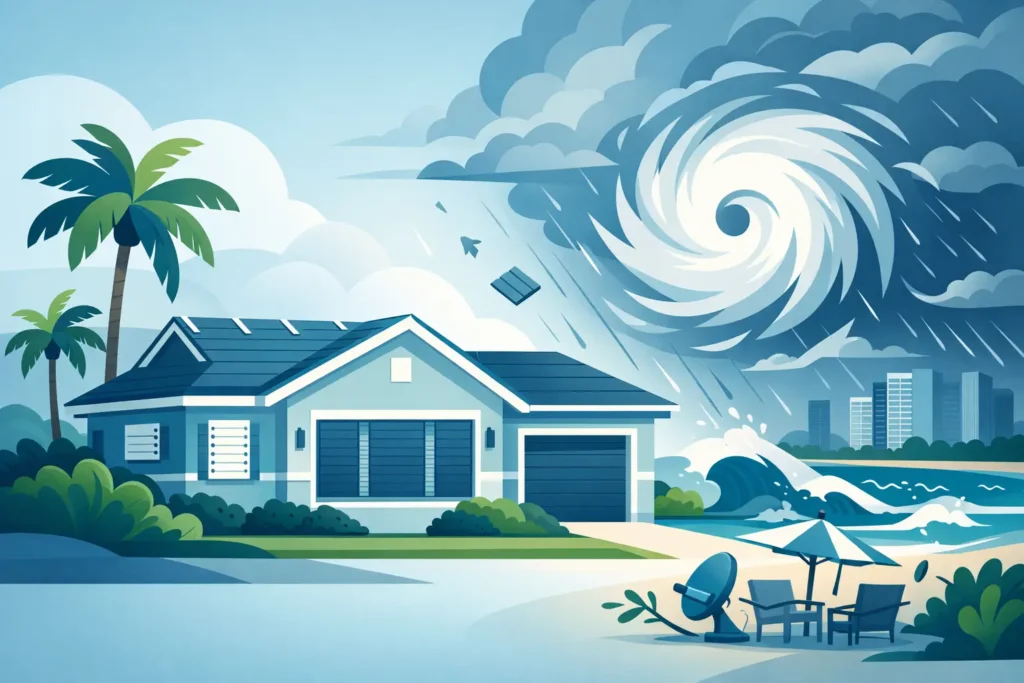
A hurricane warning can turn small home weaknesses into expensive problems fast. A lifted shingle, an aging sliding door, or an unprotected window can give wind and water a way inside when your home needs to hold firm. This home storm hardening guide helps South Florida homeowners focus on the upgrades and maintenance that make the biggest difference before the next storm forms.
Storm hardening is not about making a home indestructible. It is about reducing the points where wind, rain, and debris can cause a chain reaction of damage. The right plan also protects the value of your property, may support insurance savings, and can improve comfort through the hottest months of the year.
Start With the Parts of Your Home That Can Fail First
Storm protection works as a system. Your roof, windows, doors, garage door, and exterior attachments all need to perform together. One weak opening can allow internal pressure to build during high winds, increasing the chance of roof or wall damage.
Begin with a walk-around inspection from the ground. Look for missing, curling, cracked, or loose roof materials; damaged soffits; rusted fasteners; loose gutters; and tree limbs hanging over the structure. Check window and door frames for gaps, worn seals, difficult locks, or signs of past water intrusion. If you see staining on ceilings or walls, do not assume it is only cosmetic. A small leak can become much larger under wind-driven rain.
Age matters, but condition and installation quality matter just as much. A newer roof with improperly secured edges may be vulnerable, while a well-maintained system can continue to protect a home for years. A professional inspection gives you a clearer picture than a quick visual check, especially after a season of heavy rain and strong wind.
Secure the Roof Before You Focus on Cosmetics
Your roof is your first major line of defense. When roof coverings or edge components fail, water can enter the attic, insulation, ceilings, and electrical areas. Repairs can quickly expand from a localized issue into a full interior restoration.
For a roof nearing the end of its service life, replacement with a hurricane-conscious system can be one of the most valuable upgrades you make. That may include properly installed underlayment, carefully secured flashing, reinforced roof edges, and materials rated for the conditions your home faces. The details at valleys, vents, chimneys, and transitions deserve particular attention because they are common leak points.
Do not wait for a named storm to address a suspected roof problem. Roofing crews get booked quickly once a system enters the forecast, and rushed repairs rarely give homeowners the planning time they deserve. Schedule an evaluation during the calmer part of the year, when you can compare options, understand the scope, and choose a project schedule that works for your household.
Protect Every Opening With Impact-Rated Products
Windows and doors are not simply decorative features during hurricane season. They are part of your home’s protective envelope. If flying debris breaks a window or door, wind can enter the house and place extreme pressure on the roof and walls.
Impact-resistant windows and doors are designed to resist both wind pressure and debris impact. They can reduce the need to install and remove temporary shutters before every storm, while also improving everyday security, outside noise control, and energy efficiency. For homeowners who spend part of the year out of state, permanent protection can provide welcome peace of mind when a storm approaches.
Not every home needs the same configuration. A ground-floor opening near trees may have different exposure than a small, protected bathroom window. Sliding glass doors, entry doors, and large picture windows should all be evaluated individually. The key is to select products appropriate for the opening and ensure installation follows applicable code requirements. A high-quality product cannot perform as intended if its framing, anchoring, and sealing are handled poorly.
Garage doors also deserve a close look. Their large surface area makes them especially vulnerable to wind pressure. A door that bows, rattles, or does not close securely should be assessed before storm season. Depending on the door, reinforcement or replacement may be the right path.
Use This Home Storm Hardening Guide to Set Priorities
Most homeowners do not need to complete every upgrade at once. The smart approach is to address the greatest risk first, then build toward a stronger, more efficient home over time. In South Florida, this is often the order that makes sense:
- Correct active roof leaks, loose materials, and compromised roof edges.
- Replace vulnerable windows, exterior doors, and garage doors with properly rated protection.
- Improve drainage, trim hazardous trees, and secure exterior components.
- Add energy-focused upgrades, including solar, after the roof and mounting plan are ready.
Your personal priorities can shift based on your home’s age, roof condition, insurance requirements, and budget. For example, a homeowner with a sound roof but older single-pane windows may reasonably start with openings. A homeowner planning solar should first confirm that the roof will not need replacement soon. Installing panels on a roof that is close to the end of its useful life can create avoidable removal and reinstallation costs later.
Do Not Overlook Water Management and Yard Hazards
Wind gets the attention, but water often creates the longest-lasting damage. Keep gutters, downspouts, drains, and swales clear so rain has a path away from the house. Watch for standing water near the foundation, driveway drains that back up, and areas where landscaping directs water toward exterior walls.
Walk your property with storm debris in mind. Bring in patio furniture, grills, planters, umbrellas, and décor when a storm is approaching. Secure gates and inspect fences for loose posts or panels. Trim limbs that could strike your roof, windows, vehicles, or power lines, but use a qualified professional for large branches and any work near utilities.
Your exterior should also be easy to inspect after a storm. Take clear photos of the roof, windows, doors, yard, and major equipment before hurricane season. Keep receipts, warranties, and insurance documents in a protected digital location. If damage occurs, good records can make the claims process more straightforward.
Plan Solar as Part of a Stronger Home
Solar panels can help South Florida homeowners manage high electricity use, but the system should be planned around roof condition and storm-ready installation. A qualified solar installation considers roof structure, mounting, waterproofing, electrical components, and the location of the equipment. It is not a separate decision from the rest of your exterior protection.
If you are replacing a roof, it is often the right time to discuss future solar goals. Coordinating the work can help prevent duplicated labor and allows the project team to account for panel layout before the roof is complete. If you already have solar, inspect visible mounting areas and confirm that any roof work is coordinated correctly to preserve the system and protect the roof warranty.
Savings vary based on your electric usage, utility rates, roof orientation, shading, system design, and available programs. The value is not only about monthly power costs. A thoughtfully designed system can also support long-term property appeal when paired with a durable roof and protected openings.
Make the Project Affordable Without Cutting Corners
Storm hardening is a major home decision, and price should be clear from the beginning. Ask for a detailed scope that explains materials, installation steps, permitting where required, warranties, expected timeline, and what happens if hidden conditions are found. The lowest quote is not always the lowest cost if it leaves out essential protection details or creates repair work later.
Some homeowners explore PACE-related financing for qualifying improvements. This type of financing may reduce the upfront cash barrier, but homeowners should understand the repayment structure, eligibility rules, and how an assessment can affect future property transactions. A reputable contractor should explain the options plainly, not pressure you into a decision.
Hurricane Heroes helps homeowners across Broward, Miami-Dade, and Palm Beach counties coordinate roofing, impact openings, and solar improvements in a plan built around protection, value, and practical scheduling.
The best time to strengthen your home is when you can make calm, informed choices. Start with one professional assessment, identify the weak points that matter most, and take the next step before the forecast gives you a deadline.