


 Español
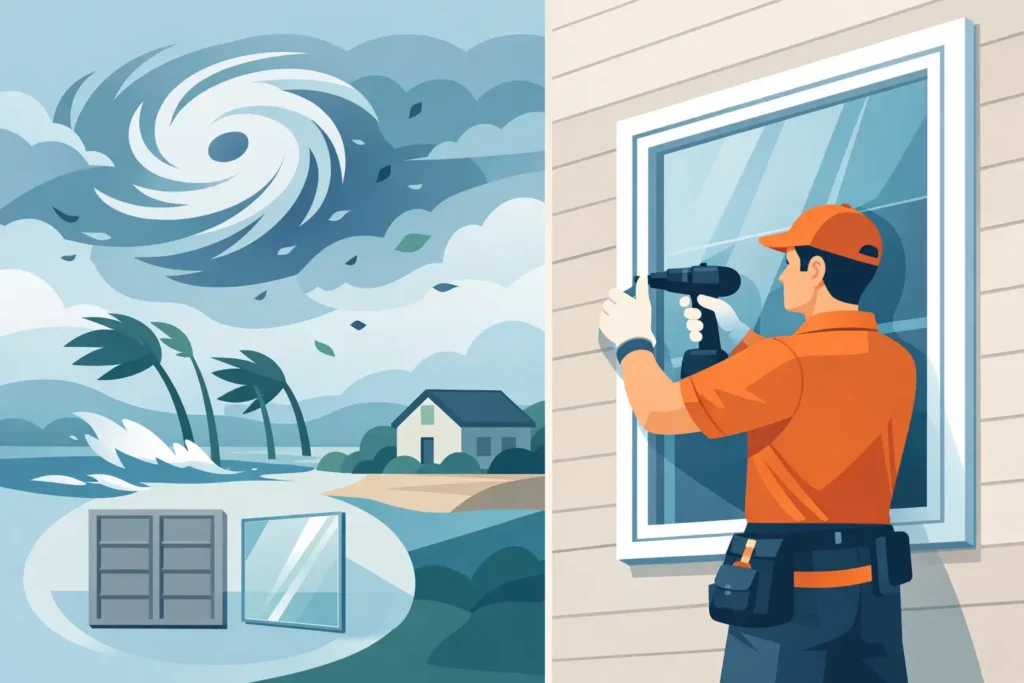
If you live in South Florida, you do not shop for impact windows the way someone in another state shops for new glass. You are buying protection, insurance value, and peace of mind before the next storm watch pops up on your phone. This hurricane window installation guide is built for homeowners in Broward, Miami-Dade, and Palm Beach who want to know what really happens before, during, and after the job.
A lot of window projects look simple from the curb. Remove the old unit, set the new one, seal it up, and move on. In hurricane-prone areas, the real story is stricter. Product approvals, opening sizes, anchoring methods, permit requirements, and inspection standards all matter because the window is only as strong as the way it is installed.
Why installation matters as much as the window
Impact-resistant glass gets most of the attention, but the frame, fasteners, sealants, and attachment to the structure do the heavy lifting in a storm. A poorly installed impact window can leave weak points around the opening, allow water intrusion, or fail to perform the way the product was tested.
That is why experienced Florida installers do more than swap units. They verify the opening condition, confirm the correct product for the pressure requirements, and follow approved installation details. Homeowners sometimes compare bids based only on window brand or price, but the labor scope and code compliance work can be the difference between a good investment and a future headache.
Hurricane window installation guide: what happens before install day
The first phase is the assessment. A contractor should measure every opening carefully, inspect the condition of surrounding walls and framing, and identify any issues that could affect the job. In older South Florida homes, that might include stucco damage, outdated window configurations, or signs of moisture around the sill.
Next comes product selection. Not every impact window fits every home the same way. Some homeowners prioritize maximum storm protection and a clean, modern look. Others are equally focused on energy efficiency, outside noise reduction, or keeping a historic style. The right recommendation usually balances all four, while still matching local code and budget.
Permitting is the next major step. In most Florida municipalities, impact window installation requires permits and inspections. That can add time to the schedule, but it protects you as the owner. A permitted job creates a paper trail showing the work was done to current standards, which can matter for resale, insurance documentation, and future improvements.
This is also the stage where financing often enters the conversation. Some homeowners prefer to pay cash and finish the project quickly. Others want to spread out the cost, especially if they are pairing windows with doors, roofing, or solar upgrades. There is no single right approach. What matters is understanding the total project scope before the first unit is ordered.
What to expect during hurricane window installation
Once materials arrive and permits are in place, the work moves fast if the crew is organized. Most homes are done in phases so the property stays secure throughout the project. Installers typically remove one or a few windows at a time, prep the opening, set the new unit, secure it according to approved details, and seal the perimeter before moving on.
There will be noise. There may be dust. Depending on the age of the home, crews may uncover minor damage around some openings that was hidden by the original frame or trim. That does not always mean a major change order, but it is one reason experienced installers build a little flexibility into the schedule.
Homeowners often ask if they need to leave the house. Usually, no. In many cases, you can remain at home during the installation, though certain rooms may be off-limits while work is underway. If you work remotely, have pets, or care for a family member at home, let the contractor know ahead of time so the crew can plan around those needs.
The final appearance should look clean, square, and properly finished, not rushed. Caulking lines should be neat. Frames should operate smoothly. Locks should engage without forcing. If something feels off at the walkthrough, that is the moment to raise it.
The timeline depends on more than the crew
Homeowners understandably want a simple answer on timing. The installation itself may take only a few days for an average home, but the full project timeline includes measuring, ordering, permitting, delivery, installation, and final inspection. Custom sizes, specialty finishes, and local permit backlogs can all add time.
Storm season also changes the equation. Demand tends to rise when weather headlines get louder, which can affect product lead times and installation calendars. If your current windows are aging, drafty, hard to open, or showing visible wear, waiting until a named storm is on the map is rarely the best move.
Cost factors homeowners should understand
A good hurricane window quote is not just a number at the bottom of the page. It should reflect the product type, frame material, glass package, opening sizes, installation complexity, permit costs, and any needed repair work around the openings.
Two homes with the same number of windows can still have very different project costs. A one-story block home with standard openings is typically more straightforward than a multi-story property with custom shapes and difficult access. Brand and style matter too, but installation conditions often drive price more than homeowners expect.
Cheaper is not always cheaper over time. If a low bid cuts corners on labor, cleanup, permit handling, or finishing details, you may end up paying later in repairs, service calls, or insurance complications. The better question is whether the project delivers lasting value through storm protection, energy savings, and fewer maintenance issues.
Questions to ask before you sign
A strong contractor should be comfortable answering direct questions. Ask who handles permits, whether the crew is experienced with local code requirements, what product approvals apply to your home, and how the company manages inspections and punch-list items.
You should also ask what happens if hidden damage is found during removal. That answer tells you a lot about how the contractor communicates. No one can promise that every opening will be perfect once the old unit comes out, but a reliable team will explain the process clearly and document any issue before moving forward.
Warranty questions matter too. There is usually a manufacturer warranty for the window product and a separate workmanship warranty for the installation. Both should be explained in plain language. If the answer sounds vague, keep asking.
A practical hurricane window installation guide for choosing the right installer
The best installer is not always the one with the flashiest sales pitch. Look for a company that knows South Florida construction, communicates clearly, and treats your home like a long-term investment, not a quick stop between jobs.
Local experience matters because building conditions vary from neighborhood to neighborhood. Coastal exposure, older housing stock, HOA requirements, and municipal permit practices all affect how a project runs. A contractor familiar with these realities is more likely to spot issues early and keep the process moving.
It also helps to choose a company that can look at the bigger picture. Many homeowners start with windows, then realize their doors, roof, or energy bills need attention too. A team that understands how these systems work together can help you make smarter decisions about sequencing and budget. That is one reason many South Florida homeowners turn to Hurricane Heroes when they want protection upgrades planned as one coordinated project instead of several disconnected jobs.
After installation: the payoff is not just storm protection
New impact windows can help during hurricane season, but the day-to-day benefits are often what homeowners notice first. Rooms may feel less drafty. Outside noise can drop. Air conditioning may not work as hard. Some homeowners also see insurance advantages when the installation supports wind mitigation improvements.
Maintenance is usually simple, but simple does not mean ignore it. Keep tracks clean, inspect sealants over time, and operate locks and sashes regularly so small issues do not turn into bigger ones. If your installer provides care instructions, keep them with your home records.
For many South Florida families, impact windows are one of the few home upgrades that protect lifestyle, comfort, and property value at the same time. The right product matters, but the right installation is what makes that investment real. If you are considering the project, start before the season gets busy and ask enough questions to feel confident in every step.