


 Español
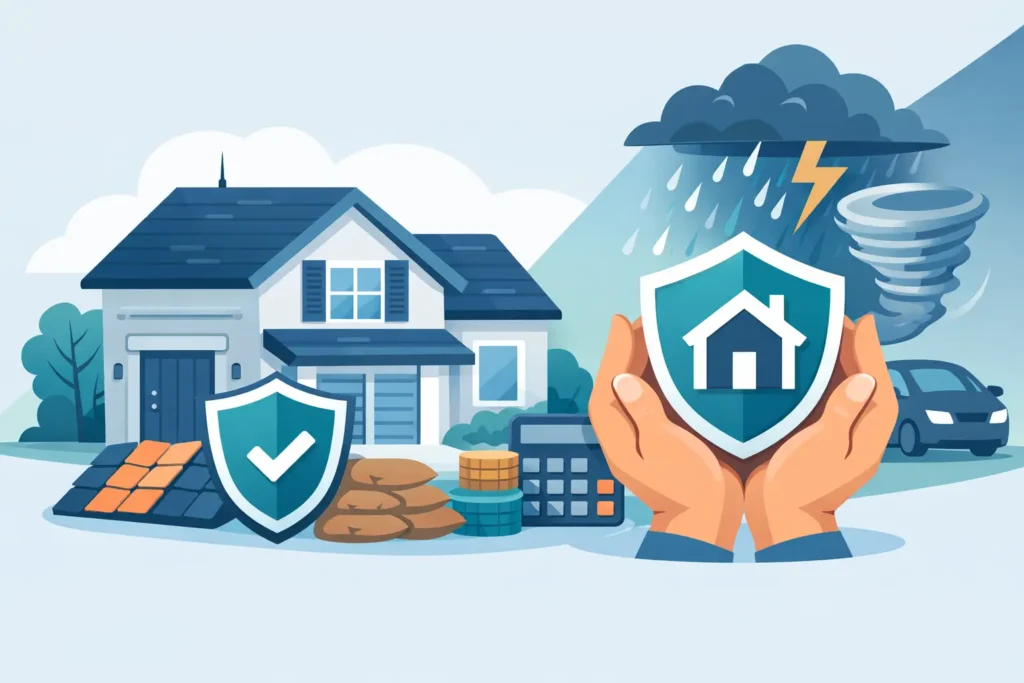
A lot of South Florida homeowners learn the same lesson the hard way – your insurance bill does not care what your house looked like ten years ago. If your roof is aging, your windows are weak, or your doors are not built for high wind pressure, your premium can reflect that. The good news is that insurance discounts for storm upgrades are real, and in many cases, they can help offset part of the cost of making your home safer.
That does not mean every upgrade earns the same savings, or that every insurer rewards improvements in the same way. In Broward, Miami-Dade, and Palm Beach counties, the details matter. The age of your roof, the type of opening protection you install, the documentation you keep, and the wind mitigation features your home already has can all affect the result.
How insurance discounts for storm upgrades usually work
Insurance companies price risk. A home that is less likely to suffer major wind or water damage is less expensive to insure than one that is more vulnerable. That is the basic reason storm-hardening improvements can lead to lower premiums.
In Florida, those savings often show up after a wind mitigation inspection. This inspection looks at features that can reduce storm damage, including roof shape, roof deck attachment, secondary water resistance, opening protection, and the way the roof is connected to the walls. If your home performs better in those areas, your insurer may apply credits or discounts.
The key word is may. Discounts are not automatic just because you spent money on your home. The improvement usually needs to meet code, be properly installed, and be documented in a way your insurer accepts. A great product with poor paperwork can leave money on the table.
Which upgrades are most likely to help
Some projects carry more insurance value than others because they address the parts of the home most exposed during a hurricane.
Roof replacement
A newer roof can be one of the biggest factors in both insurability and premium cost. In Florida, roof age alone can affect underwriting decisions. But beyond age, the construction details matter. If a roof replacement includes stronger deck attachment, better underlayment, and code-compliant installation, it can improve your wind mitigation profile.
Not every new roof creates the same insurance outcome. The material, permit history, and installation date all matter. A roof installed to current standards is generally more favorable than an older roof that was acceptable when it was built but does not offer the same level of protection.
Impact-resistant windows and doors
Impact windows and doors do more than stop broken glass. They help keep the building envelope intact. Once wind enters a home through failed openings, pressure builds inside and damage can escalate fast. That is why insurers often view opening protection as a meaningful mitigation feature.
There is a trade-off here. Some homeowners compare impact products to shutters and assume the insurance value is identical. Sometimes it is close, sometimes it is not. It depends on whether all glazed openings and vulnerable doors are protected, how the system is rated, and how the insurer classifies the protection.
Garage doors and other large openings
One weak garage door can undermine the value of stronger windows and entry doors. Large openings face major pressure during storms, and if they fail, the rest of the structure can be exposed. Reinforced, impact-rated garage doors can help close that gap.
This is one of the more overlooked issues in older South Florida homes. Homeowners upgrade the obvious features but leave one major vulnerability in place, then wonder why the inspection report is not as strong as expected.
Secondary water resistance
Wind is the headline risk in a hurricane, but water intrusion is often what drives the most expensive interior damage. Some roofing systems include a secondary water barrier that helps reduce leakage if the outer roof covering is compromised.
That feature can matter on a wind mitigation inspection, but it must be installed and documented correctly. This is where working with a contractor who understands both protection and paperwork can make a difference.
Why documentation matters almost as much as the upgrade
Homeowners sometimes assume the insurer will recognize visible improvements automatically. Usually, they will not. Insurance carriers rely on inspection forms, permits, invoices, product approvals, and completion records.
If you replace windows, keep the product information and permit documents. If you replace a roof, keep records that show the installation date and code-compliant scope. If your project includes multiple improvements, organize those records in one place. When it is time for a wind mitigation inspection or policy review, solid documentation helps your insurer evaluate the home correctly.
This is especially important after a sale or refinance. New owners often inherit a better house but not the paperwork proving why it is better.
What South Florida homeowners should expect
If you are looking for a simple promise like, install this and save exactly this much, that is not how the market works. Insurance discounts for storm upgrades depend on your current policy, the insurer, the age and condition of the home, and whether the upgrade fills a real weakness or just replaces something that was already adequate.
A homeowner with an older roof and no opening protection may see meaningful savings after a coordinated upgrade. Another homeowner with decent protections already in place may still benefit, but the insurance reduction could be smaller. The project can still make financial sense because it improves safety, resale appeal, financing options, and long-term durability.
That broader value matters in South Florida. Many homes are not just primary residences. They are retirement assets, family properties, or investments meant to hold value in a demanding climate. Stronger roofs, impact-rated openings, and better water resistance can support that goal even when the premium drop is not dramatic.
The smartest way to approach storm upgrades
The best strategy is usually not to chase a discount in isolation. It is to improve the home in a way that strengthens protection first, then capture every insurance benefit available.
That starts with identifying the real weak points. If the roof is near the end of its life, replacing windows first may not solve your biggest problem. If you have impact windows but an outdated entry system or garage door, your opening protection may still be incomplete. If your home needs several improvements, combining them into one plan often creates better results than handling each piece years apart.
That is one reason many homeowners prefer a coordinated approach. Instead of hiring one company for roofing, another for windows, and another for doors, they want a single team that understands how the systems work together. Hurricane Heroes was built around that practical need – helping homeowners strengthen the whole exterior, not just one part of it.
Questions to ask before you start
Before signing a contract, ask how the work will support wind mitigation documentation. Ask whether the products meet current approval standards. Ask what permits will be pulled and what records you will receive at the end.
You should also ask your insurance agent or carrier how they evaluate storm-hardening features. Not because they will quote a perfect savings number upfront, but because they can tell you which mitigation categories matter most on your policy.
If financing is part of the decision, look at the monthly picture, not just the project price. For some homeowners, the combination of insurance savings, energy savings, and reduced repair risk helps justify a larger upgrade package. For others, it makes more sense to phase the work based on urgency.
Protection first, savings second
The strongest reason to invest in storm upgrades is not the discount. It is knowing your home stands a better chance when the weather turns serious. The discount is valuable, and in some cases substantial, but it works best as part of a bigger return: fewer vulnerabilities, lower stress, and a property that is better prepared for the next storm season.
If you take that approach, you tend to make better decisions. You stop looking for the cheapest upgrade that might trim a premium and start focusing on improvements that actually protect your home, your family, and the value you have built over time. In South Florida, that is usually the smartest savings move of all.