


 Español
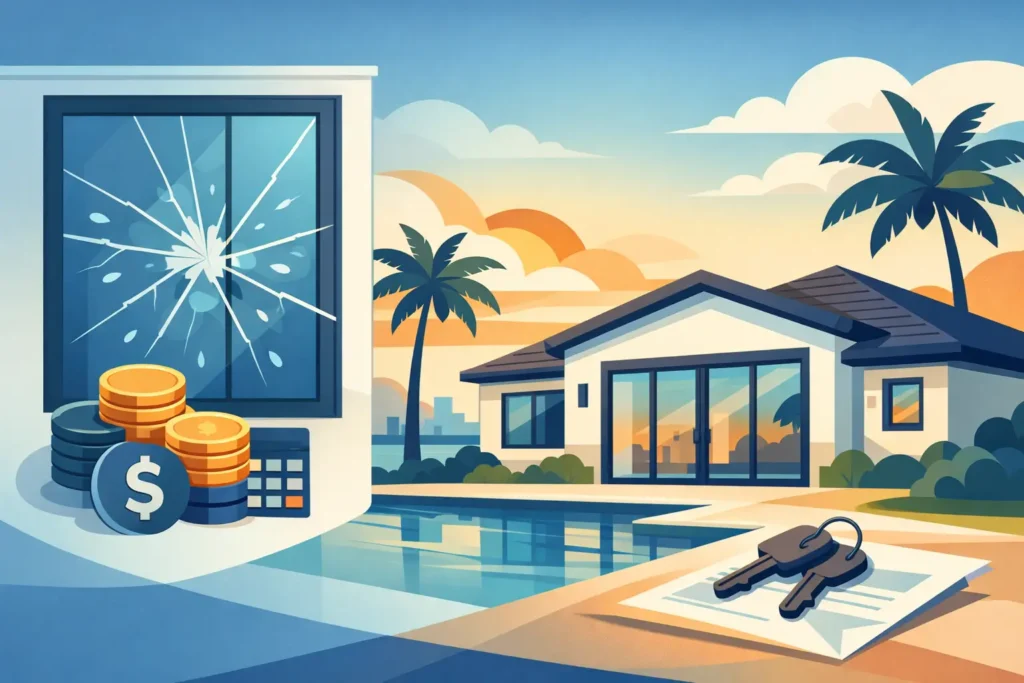
Sticker shock is real when you first price storm protection. For many South Florida homeowners, impact windows and doors cost more upfront than standard replacements, but the real question is what you get back in protection, insurance benefits, energy performance, and long-term value.
If you live in Broward, Miami-Dade, or Palm Beach County, this is not a cosmetic upgrade. It is part of how you protect your home against wind, flying debris, water intrusion, and the expensive damage that can follow one bad storm. The price can vary a lot, which is why broad averages only tell part of the story.
What impact windows and doors cost in South Florida
Most homeowners are not replacing one window. They are looking at a full-home project, and that changes the math quickly. In South Florida, impact windows often start in the high hundreds per opening and can move well above that depending on size, style, frame material, glass package, and installation conditions. Impact doors usually cost more than windows because they are larger, heavier, and often more complex to install.
For a full-home project, many homeowners spend anywhere from several thousand dollars to well into the tens of thousands. A smaller home with fewer standard-size openings will usually land on the lower end. A larger property with oversized glass, custom shapes, sliding doors, or second-story access can climb fast.
That range may sound wide, but it reflects real-world conditions. A basic single-family home in a straightforward installation is very different from a waterfront property with large openings, strict code requirements, and premium product selections.
Why pricing varies so much
The biggest reason pricing feels inconsistent is that no two homes are truly the same. Even homes in the same neighborhood can have different opening sizes, structural conditions, permit needs, and design preferences.
Window and door size
Larger openings require more glass, stronger framing, and more labor. A standard bedroom window is one thing. A wide living room picture window or a large sliding glass door is another. The jump in cost is not just about materials. Bigger units are heavier to transport, handle, and install.
Style and configuration
A fixed picture window is usually less expensive than a casement or horizontal roller in the same general size. Doors work the same way. A basic impact entry door will typically cost less than a decorative double-door system with sidelights and custom glass options. Sliding glass doors can vary dramatically based on panel count and width.
Frame and glass options
Not every impact product is built the same. Some homeowners want clean, budget-conscious protection. Others want stronger energy efficiency, better sound reduction, upgraded finishes, or a more premium look. Those upgrades can be worth it, especially in hot and noisy areas, but they do raise the final number.
Installation complexity
This is one of the most overlooked parts of impact windows and doors cost. If old frames come out cleanly and new units fit without surprises, labor stays more controlled. If the installer finds damaged substrates, needs extra structural adjustment, or has difficult access points, labor costs rise.
A first-floor replacement is generally simpler than working around landscaping, balconies, or multi-story access. Homes with stucco repair needs or unusual opening conditions can also require more finish work.
Permits and code compliance
South Florida has serious building standards for a reason. Meeting local code, securing permits, and passing inspections are part of the project cost. That is not wasted money. It is part of making sure the job is done correctly and built to stand up to the weather we actually get here.
The cost of impact windows and doors versus standard products
Standard windows and doors usually cost less at the point of purchase. That part is true. But homeowners in hurricane-prone areas should not stop the comparison there.
Impact-rated products are designed for windborne debris zones and severe weather exposure. They can also reduce outside noise, improve indoor comfort, and help cut solar heat gain when paired with the right glass package. In many cases, they remove the need to put up shutters before every storm.
So yes, the upfront investment is higher. But for many Florida homeowners, the comparison is not really impact versus standard. It is impact versus ongoing storm prep, higher vulnerability, and potentially more damage after a major weather event.
Where the money can come back to you
A lot of homeowners ask whether this upgrade pays for itself. The honest answer is that it depends on your home, your insurance carrier, and how long you plan to stay in the property. Still, there are several ways the value can show up over time.
Insurance savings are a big one. Many homeowners may qualify for premium reductions when they install qualifying impact-rated openings, especially when those openings improve the home’s overall wind mitigation profile. The savings are not identical for every policy, but they are worth checking before you make a decision.
Energy savings also matter in South Florida. Better-sealed, impact-rated windows and doors can help reduce heat transfer and keep conditioned air inside. That can ease the load on your HVAC system, especially during long summers when cooling bills stay high.
Then there is resale value. Buyers in this market understand hurricane protection. They also appreciate upgrades that reduce future expenses and improve insurability. A home with modern impact openings can feel more move-in ready and more secure than one still relying on aging windows and manual storm shutters.
Budgeting for a full-home project
If you are planning to replace all openings at once, start with priorities instead of guesswork. Count every window and door, note the sizes if you know them, and identify any large sliders, custom shapes, or entry systems. Those items tend to affect budget the most.
It also helps to think beyond the lowest quote. A lower price can look attractive until you realize it excludes permit handling, finish work, haul-away, or product options that matter for performance and appearance. The better question is whether the proposal covers the full job and whether the products are right for your home.
Some homeowners choose to phase the work. Others prefer to complete the project at once so the home is fully protected and the installation is done under one coordinated plan. Neither approach is automatically right. It depends on your goals, timeline, and available financing.
Financing and affordability
For many families, the monthly payment matters more than the full project number. That is why financing often plays a major role in these upgrades. If storm protection is urgent but cash flow is tight, structured financing can make a full-home project possible without waiting through another hurricane season.
This is especially relevant for homeowners exploring PACE-related options or other financing paths that reduce heavy upfront costs. Used responsibly, financing can help you protect the home now while spreading the investment over time. The key is making sure you understand the terms, the expected payment, and the long-term benefit to your property.
A trustworthy contractor should be able to explain your options clearly, not pressure you with vague promises. When pricing is transparent, homeowners can make confident decisions instead of reacting out of fear.
How to compare quotes without getting misled
When you review proposals, make sure you are comparing the same scope. One quote may include premium glass, permit coordination, installation, interior and exterior finish work, and cleanup. Another may look cheaper because key parts are missing.
Ask what product line is being used, what warranties apply, whether code compliance and permitting are included, and what happens if hidden installation issues are found. Also ask about timeline. A lower price is less appealing if delays leave your home exposed during peak storm months.
It is also fair to ask about local experience. South Florida installation is not the same as general replacement work in a lower-risk market. Homes here need products and crews that understand regional codes, weather demands, and inspection requirements.
Is the higher cost worth it?
For most South Florida homeowners, yes – if the products are properly rated and the installation is done correctly. This upgrade is about more than glass. It is about keeping your home better protected during hurricane season, reducing stress when storms approach, and improving how the property performs year-round.
That does not mean every homeowner needs the most expensive option on the market. Sometimes a practical, mid-range product is the smartest fit. Sometimes a premium package makes sense because the home has large openings, high sun exposure, or strong resale goals. The right answer is usually the one that balances safety, budget, and long-term value.
If you are weighing impact windows and doors cost, do not just ask what the project costs today. Ask what it helps prevent, what it may save, and how much confidence it gives you the next time a storm track points toward South Florida. For homeowners who want real protection, that peace of mind has a value of its own.