


 Español
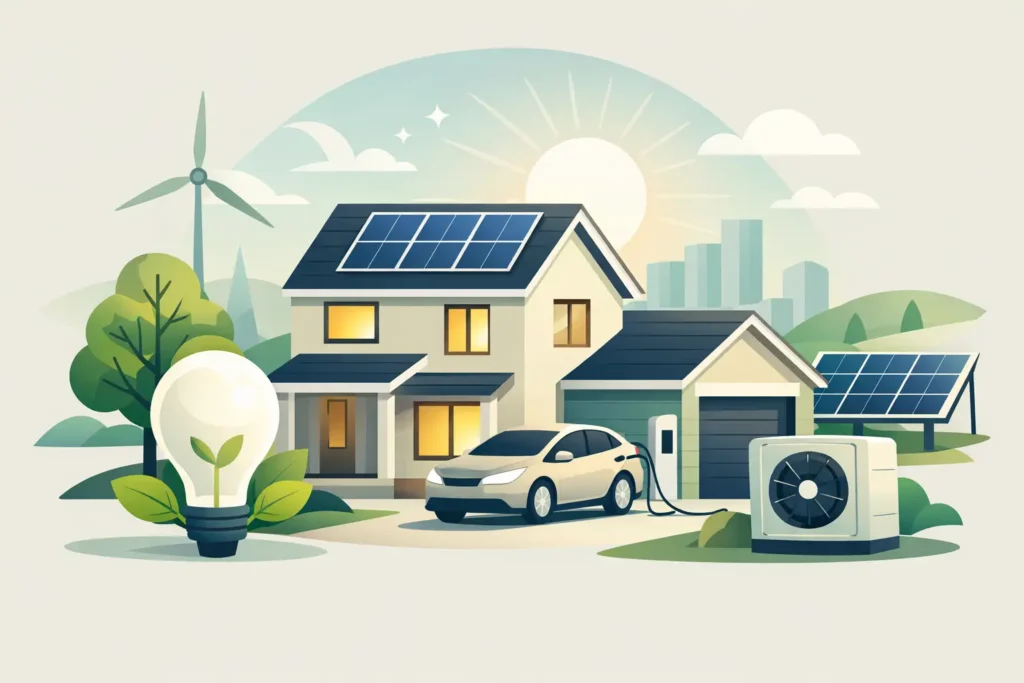
Your electric bill usually tells the story before anything else does. In South Florida, when the AC runs hard for most of the year, small weaknesses in your home turn into expensive habits. That is why energy efficient home upgrades matter here more than they do in many other parts of the country. The right improvements can cut waste, make your home more comfortable, and strengthen it against the weather that Florida homeowners deal with every season.
Not every upgrade delivers the same value, though. Some changes look good on paper but do not make much difference in a hot, storm-prone climate. Others do double duty by lowering energy use while also improving protection, insurance readiness, and long-term property value. For homeowners in Broward, Miami-Dade, and Palm Beach, that combination is where the smartest projects start.
Which energy efficient home upgrades make the biggest difference?
If you want the best return, start with the parts of the home that take the most punishment from heat, sun, wind, and moisture. In South Florida, that usually means the roof, windows and doors, and the way your home produces or manages electricity.
Air conditioning is often the largest source of energy use in a Florida home. That means upgrades that reduce heat gain usually have a bigger payoff than cosmetic changes or minor efficiency tweaks. A stronger, better-designed exterior shell helps your AC work less, and that can show up in both monthly utility costs and day-to-day comfort.
Roof replacement can improve more than storm protection
A worn or outdated roof does more than raise the risk of leaks during hurricane season. It can also absorb and transfer heat into the home, forcing your cooling system to work harder. Newer roofing systems, especially when installed with modern materials and proper ventilation, can help reduce that heat load.
This is one of those upgrades where quality installation matters as much as the product itself. A roof that is built to current code and designed for Florida conditions can improve energy performance while adding real storm resilience. That makes it easier to justify the investment, because you are not solving just one problem.
There is a trade-off, of course. Roof replacement is not a low-cost project, and the energy savings alone may not cover the full cost quickly. But when you factor in leak prevention, wind resistance, possible insurance benefits, and resale value, it often becomes one of the most practical long-term improvements a homeowner can make.
Impact windows and doors help control heat and air loss
Many homeowners think of impact windows and doors only as hurricane protection. That is a big reason to install them, but it is not the only one. Older windows and doors are often major sources of heat gain, drafts, and air leakage. In a climate where the sun is intense and cooling costs stay high, that adds up fast.
Modern impact-resistant windows and doors can help keep conditioned air inside and reduce the amount of solar heat entering the home. That can make rooms feel more even, reduce hot spots near large windows, and lower the strain on your HVAC system. You also gain the security and storm protection that many Florida families already want.
This is another area where homeowners should think carefully about priorities. If your current windows are already fairly new and perform well, the energy savings from replacing them may be moderate rather than dramatic. But if you have older single-pane units, poor seals, or doors that no longer close tightly, the difference can be noticeable.
Solar as an energy efficient home upgrade in South Florida
South Florida gets the kind of sun that makes solar worth a serious look. For many homeowners, solar panel installation is one of the most visible energy efficient home upgrades because it directly changes how the home gets its power. Instead of only trying to use less electricity, you are also producing some of your own.
That can mean lower monthly utility bills and more predictable energy costs over time. It can also add to a home’s appeal in a market where buyers increasingly care about operating costs, not just square footage and finishes.
Still, solar is not one-size-fits-all. Roof condition, roof age, shading, system design, and household energy use all matter. If your roof is nearing the end of its life, it usually makes more sense to replace the roof first than to install panels and deal with removal later. A coordinated project often saves money and headaches compared with tackling everything separately.
For homeowners concerned about upfront costs, financing options can make these projects more accessible. That matters because the best improvements are not always the cheapest on day one. In many cases, the real question is whether the monthly savings, durability, and home protection justify the payment structure.
Why bundled upgrades often work better
One of the biggest mistakes homeowners make is treating each issue as separate. They replace one door this year, patch the roof next year, and think about solar after that. Sometimes that is necessary, but it can create higher labor costs, uneven results, and missed opportunities.
A coordinated plan usually performs better. If you install a new roof, upgrade windows and doors, and add solar as part of a larger strategy, the systems work together. Your home keeps out more heat, your AC runs more efficiently, and your power costs may drop because your energy demand is lower before solar even enters the picture.
That kind of planning also tends to be easier on the homeowner. You deal with one timeline, one project roadmap, and one team focused on both protection and efficiency. For South Florida properties, that is especially valuable because the same upgrades that help with energy use often support storm readiness too.
Comfort matters just as much as savings
Homeowners often start this conversation with one goal in mind: lower bills. That is fair. But comfort is usually what they notice first after the work is done.
Rooms stay cooler in the afternoon. The AC cycles less aggressively. Areas near windows feel more usable, even in peak summer. There may be less outside noise coming in, and the house feels tighter and more secure during bad weather. Those benefits do not always show up neatly on a spreadsheet, but they matter when you live with them every day.
That is why the best upgrade decisions are not based on energy savings alone. They are based on how the home performs as a whole.
How to choose the right upgrades for your home
Start with what is costing you the most right now. If your roof is aging, your windows leak air, or your electric bill climbs every summer, those are not minor annoyances. They are signs that your home is working harder than it should.
Next, think about timing. If hurricane season is approaching and your exterior is vulnerable, resilience may need to come first. If your roof still has years left but your windows are clearly inefficient, openings may be the better first step. If your exterior is already strong, solar may deliver the most immediate financial impact.
It also helps to think in terms of layered value. A project that lowers utility costs and improves storm protection is usually stronger than one that only checks one box. That is the logic behind choosing upgrades like impact-resistant windows, modern roofing systems, and solar installation in the same overall plan.
For many homeowners, financing is part of the decision. A project that seemed out of reach with an all-cash price may become realistic when payments are structured in a way that fits the household budget. That opens the door to doing the job right instead of delaying needed work until costs rise further.
The South Florida factor
Advice about home efficiency often gets written for a national audience, and that can be misleading. What makes sense in a colder market does not always make sense here. South Florida homes face long cooling seasons, intense UV exposure, salt air in many areas, and the constant need to think about wind and water intrusion.
That is why local experience matters. A contractor should understand not just how to install a product, but how that product performs in this climate and under this code environment. Homeowners are not just buying lower utility use. They are buying peace of mind during hurricane season, stronger long-term value, and a home that feels better protected year-round.
At Hurricane Heroes, that is the focus: improvements that do more than look good on an estimate. They need to stand up to Florida weather, reduce waste, and give homeowners a result they can feel every month.
If your home is costing too much to cool, struggling against the heat, or showing signs of age before storm season, the best next step is not guessing. It is choosing upgrades that protect your home and make it work smarter for the people living inside it.