


 Español
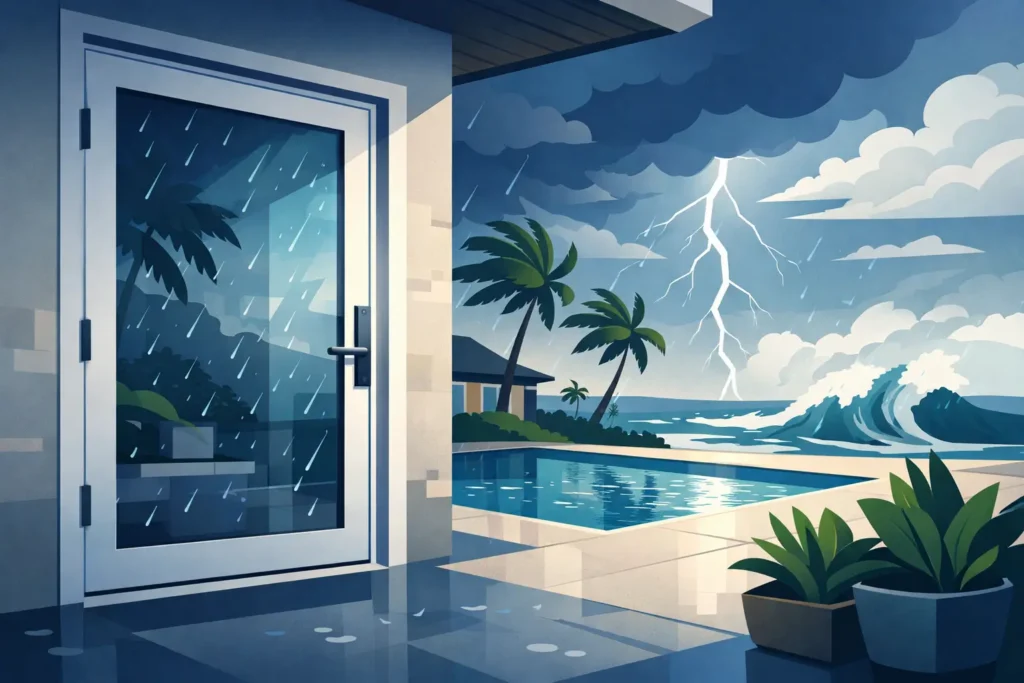
A hurricane does not need to tear off a roof to cause major damage. One failed exterior door can let wind and rain enter the home, pressurize the interior, and turn a storm repair into a much larger problem. That is why choosing the best impact doors for storms is about more than upgrading curb appeal. For South Florida homeowners, it is a decision about protecting the people, belongings, and investment behind that opening.
The right door can provide dependable hurricane protection, improve daily security, reduce heat gain, and give your home a cleaner, more finished look. But not every product labeled “impact” is the same, and the best choice depends on your opening, location, budget, and how you use the space every day.
What Makes an Impact Door Storm-Ready?
A true impact-rated door system is designed and tested to resist both high wind pressure and flying debris. The glass is typically laminated, with a strong interlayer holding the pane together if it cracks. The frame, hinges, locking hardware, tracks, and installation method matter just as much as the glass.
That last point is where many homeowners get surprised. An impact-rated glass panel alone does not make an entire entry or patio opening hurricane-ready. The door must be approved as a complete system. Its performance rating should match the wind conditions and local code requirements for your property.
In Miami-Dade, Broward, and Palm Beach counties, homeowners should look for products with the appropriate Florida approvals and, where required or preferred, Miami-Dade Notice of Acceptance documentation. These approvals help confirm that the specific door configuration has been tested for its intended use. A qualified installer should verify the applicable requirements before ordering anything.
Best Impact Doors for Storms: Start With the Opening
The best style is usually the one that protects the opening without making everyday life harder. A front entry door, a wide opening to a pool deck, and a side garage entry each call for different priorities.
Impact Entry Doors for Front Doors
For a main entry, a hinged impact door is often the strongest and most practical option. Homeowners can choose fiberglass, steel, or aluminum-clad designs, with or without decorative impact glass. A solid-panel door may offer more privacy and a traditional look, while a door with glass can brighten a dark entryway.
Fiberglass is a popular option because it can handle Florida humidity well and can be finished to resemble wood without demanding the maintenance of a real wood door. Steel can offer excellent security, though it needs a quality finish and proper care in coastal environments. Aluminum systems are common for modern homes and glass-heavy designs because they are durable, clean-lined, and built for large openings.
The key is to choose a door with a reinforced frame, heavy-duty hinges, secure multipoint locking where available, and a threshold designed to manage wind-driven rain. A beautiful door that leaks during a tropical storm is not a good investment.
Sliding Glass Impact Doors for Patios and Pool Areas
Sliding glass doors are one of the most requested upgrades in South Florida. They bring in natural light, preserve views, and create an easy connection to a patio, lanai, or pool area. For many homes, they are also the largest and most vulnerable opening on the back wall.
The best impact sliding doors use laminated impact glass, reinforced aluminum frames, strong rollers, and well-designed interlocks that help the panels stay secured under pressure. Look closely at the track and drainage system, especially if the door faces a wind-exposed yard or waterfront area. Smooth operation matters, but so does the door’s ability to shed water during heavy rain.
A two-panel slider is often a cost-effective choice for standard openings. Multi-panel systems can create a more open feel and suit larger entertaining spaces, but they cost more and require precise measurement and installation. Larger panels also mean more weight, so quality hardware is not optional.
French Impact Doors for Light and Classic Style
Impact French doors work well for homeowners who want a traditional appearance without giving up storm protection. They can be used for rear patios, balconies, home offices, and formal entry areas. Their swing configuration can provide a wide opening, which is useful for moving furniture or connecting indoor and outdoor living spaces.
There is a trade-off. Because French doors swing, they need clear space on the side where they open. The center meeting point, locking system, and weatherstripping need particular attention. A high-quality multipoint lock and a properly adjusted active panel can make a noticeable difference in security and weather resistance.
Outswing doors can be a smart choice for tight interior spaces, while inswing doors may be more convenient depending on your layout. Local code, clearance, exposure, and drainage conditions all affect what works best.
Impact Pivot and Contemporary Glass Doors
For a modern South Florida home, a large pivot door or oversized glass entry system can make a dramatic statement. These doors can combine wide sightlines with serious engineering, but they are not a place to cut corners. The larger and heavier the panel, the more important the frame, pivot hardware, anchoring, and structural preparation become.
This option is best for homeowners who want a premium architectural feature and are prepared to invest in a tested, approved system. It may not be the most economical choice, but it can add real visual value when matched to the home’s design and installed correctly.
Ratings and Details That Matter More Than the Sales Pitch
When comparing impact doors, avoid choosing based on glass thickness or appearance alone. Ask about the entire tested system and the documentation behind it. A reliable contractor should be able to explain how the product fits your home, not simply point to a generic “hurricane resistant” label.
Pay attention to these practical details:
- The approved design pressure and whether it fits your home’s wind zone and exposure
- Laminated impact glass and the door’s complete testing and approval documentation
- Frame material, corrosion resistance, hardware quality, and multipoint locking options
- Water resistance, sill design, drainage, and the installation method for your wall type
Energy performance should also be part of the conversation. Low-E glass coatings can help reduce solar heat gain, which may make rooms near glass doors more comfortable and ease the workload on your air conditioning system. Tinted glass, privacy glass, and decorative options can be useful, but they should never compromise the required storm rating.
Installation Is Part of the Protection
Even the best door can underperform if it is measured incorrectly or installed with poor anchoring, inadequate flashing, or careless sealing. Impact doors are not a simple swap. The installer needs to account for the wall construction, existing opening condition, elevation, threshold height, drainage path, and required fasteners.
Older homes may need additional preparation before a new impact door is installed. Damaged framing, rot, cracked stucco, or an uneven opening can affect the final result. Addressing those issues before the door goes in may add to the project scope, but it protects the investment and helps prevent water intrusion later.
Permitting is another reason to work with a knowledgeable local team. South Florida requirements can vary by municipality and property type. A properly managed project includes accurate measurements, the correct product approvals, permit coordination when required, professional installation, and a final inspection process.
Balancing Cost, Insurance, and Long-Term Value
Impact doors generally cost more than standard non-impact doors, especially for large sliding systems or custom configurations. The upfront price reflects stronger glass, engineered frames, tested hardware, permitting, and specialized installation. Still, the value is not limited to hurricane season.
Many homeowners appreciate the everyday benefits: better security, reduced outside noise, improved comfort near glass openings, and no need to install temporary panels before every storm. Depending on your insurer and policy, qualifying wind mitigation improvements may also support insurance savings. Check directly with your insurance carrier, because eligibility and discounts vary.
If upfront cost is the main concern, ask about financing options early. A planned upgrade can be easier to manage when it is coordinated with other home improvements, such as impact windows, roof replacement, or solar. Combining projects may also help you create a more consistent protection plan for the entire home.
Choose a Door That Fits Your Home, Not Just the Forecast
The strongest choice is not always the most expensive or the most dramatic-looking door. A well-rated impact slider may be ideal for a pool opening, while a fiberglass impact entry door may be the better fit for a shaded front porch. Your home’s exposure, style, budget, and daily routines should guide the decision.
Before you commit, have a local professional evaluate each opening and explain the options in plain language. Hurricane Heroes helps South Florida homeowners match impact doors to the way they live, the way their homes are built, and the protection they need. A properly selected and professionally installed impact door gives you something valuable long before the next storm warning: confidence every time you close it behind you.