


 Español
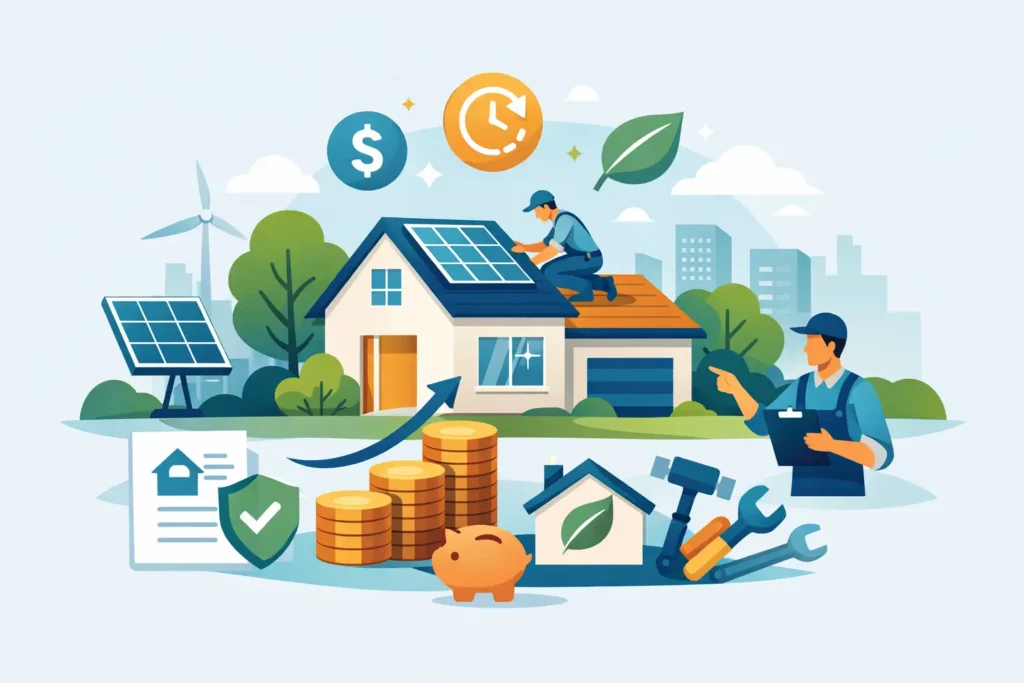
A worn roof, outdated windows, or rising power bills can put South Florida homeowners in a tough spot. You know the upgrades matter, but the price tag can delay action. That is why pace funding for home improvements gets so much attention here. It gives eligible property owners a way to finance certain qualifying upgrades with repayment tied to the property tax bill instead of a traditional monthly loan.
For many homeowners, that sounds simple enough. But the details matter. PACE can be a practical option for storm protection and energy upgrades, yet it is not the right fit for every project or every household. If you are looking at a new roof, impact windows and doors, or solar panels, it helps to understand how the program works before you sign anything.
What pace funding for home improvements actually means
PACE stands for Property Assessed Clean Energy. In Florida, this type of financing is generally used for eligible improvements that strengthen a property, improve energy efficiency, or support renewable energy use. That can include projects like roofing, impact-resistant windows and doors, and solar installations when they meet program requirements.
The biggest difference between PACE and many other financing options is how repayment works. Instead of making payments through a standard lender bill each month, the amount financed is repaid as a non-ad valorem assessment on your property tax bill over time.
That structure can lower the upfront barrier for major improvements. It can also make larger projects more realistic for homeowners who want to protect their property now instead of waiting years to save the full cost.
Why PACE is popular in South Florida
In Broward, Miami-Dade, and Palm Beach counties, home upgrades are often about more than appearance. They are about protection, insurance, and keeping a home livable during intense weather and long hot seasons.
A roof replacement can help defend against wind and water intrusion. Impact windows and doors can improve storm protection while also helping with outside noise and energy loss. Solar can reduce electricity costs over time, which matters when air conditioning runs hard for much of the year.
PACE gets attention in this market because it can help homeowners combine these goals into one project. Instead of choosing between safety and affordability, some owners use financing to move forward with improvements that make the home stronger and more efficient at the same time.
How the process usually works
The process starts with confirming whether the property and project qualify. Eligibility often depends on factors such as property type, available equity, mortgage status, payment history, and the type of improvement being installed. Program rules can vary, so homeowners should expect a review before approval.
Once approved, the financing is used for eligible improvements completed by an approved contractor. After the project is finished and funded, repayment is added to the property tax bill according to the program terms.
That repayment structure is one reason people consider PACE in the first place, but it is also why careful review matters. You are not just comparing rates. You are looking at how the annual assessment affects your total housing costs, cash flow, and long-term plans for the property.
What kinds of projects may qualify
PACE is often discussed in connection with the exact upgrades many South Florida homeowners need most. Roof replacements may qualify when they meet program standards. Impact-resistant windows and doors are another common category because they support wind protection and energy performance. Solar panels may also qualify as an eligible renewable energy improvement.
This is where an integrated approach can help. If your roof is near the end of its life and your windows are not rated for impact, handling one project while postponing the other may leave part of the home exposed. In some cases, bundling improvements creates a more complete protection plan and may be more cost-effective than tackling everything in stages.
Still, eligibility is not automatic. Product specifications, installation standards, and local program rules all play a role.
The real advantages of PACE
The clearest benefit is access. Some homeowners have strong property value but do not want to drain savings on a large exterior project. Others may prefer an option that does not work like a traditional unsecured loan.
PACE can also make urgent improvements possible on a more practical timeline. If your roof is aging before peak storm season, delaying replacement can become far more expensive than financing the job now. The same goes for openings that leave the home vulnerable during high winds.
Another advantage is the potential value of the improvements themselves. A stronger roof, better openings, and lower energy use can support durability, comfort, and resale appeal. Depending on the upgrade, homeowners may also see savings through reduced utility costs or improved insurance positioning, though results vary by property and carrier.
The trade-offs homeowners should understand
PACE is not free money, and it is not automatically the cheapest path. Because repayment is added to the property tax bill, the annual amount due can be significant. Homeowners need to be sure that payment fits comfortably within their budget.
It is also important to think about timing. If you plan to sell soon, ask how the assessment may affect the transaction. Some buyers may be comfortable with it, while others may want it addressed before closing. The answer depends on the property, the market, and the terms involved.
Mortgage-related questions matter too. Some mortgage lenders have specific requirements or concerns related to PACE assessments. That is one reason transparency is so important. A good contractor should educate you on the financing process, but you should also review documents carefully and ask direct questions about total costs, annual payments, fees, and transfer considerations.
When pace funding for home improvements makes sense
PACE often makes the most sense when the project is necessary, the improvements are eligible, and the homeowner plans to stay in the property long enough to benefit from the upgrade. It can be especially useful when the work improves both resilience and efficiency, such as replacing an old roof while adding impact-rated openings or solar.
It may also be a strong fit for homeowners who value keeping cash on hand. In South Florida, reserve funds matter. Storm season, insurance changes, and general home maintenance can all create surprises. Financing a major project instead of paying all at once can preserve flexibility.
That said, if you can secure a better financing option elsewhere and the terms are more favorable for your situation, that may be the better move. The right choice depends on your equity, budget, future plans, and the urgency of the work.
Questions to ask before you move forward
Before approving any project, ask what improvements qualify, what the full repayment amount will be over time, and how the assessment appears on the tax bill. Ask whether the contractor has experience with these projects in your county and whether permits, inspections, and product approvals are handled properly.
You should also ask a more practical question: does this project solve the real problem, or only part of it? A new front door will not fix an aging roof. Solar panels may reduce energy costs, but they should be paired with a roof in suitable condition. Smart homeowners look at the house as a system.
That is the value of working with a contractor who understands South Florida homes beyond a single product line. Companies like Hurricane Heroes focus on coordinated exterior upgrades because protection works best when the roof, openings, and energy systems are planned together rather than patched together over time.
Choosing the right contractor matters as much as the financing
Financing can make a project possible, but installation quality determines whether the investment pays off. A poorly installed roof or improperly fitted impact window can create problems no financing structure can fix.
Look for a contractor that knows local codes, understands wind mitigation priorities, communicates clearly, and explains the project without pressure or vague promises. You want straight answers on scope, materials, timelines, and what the finished result will do for your home.
The right team should make you feel more secure, not more confused. That matters when you are making a decision that affects safety, comfort, and property value for years to come.
PACE can be a useful tool when it is matched with the right project and the right plan. If your home needs stronger protection or better energy performance, the smartest next step is not rushing into financing. It is getting clear numbers, honest guidance, and a project scope that truly fits your home.