


 Español
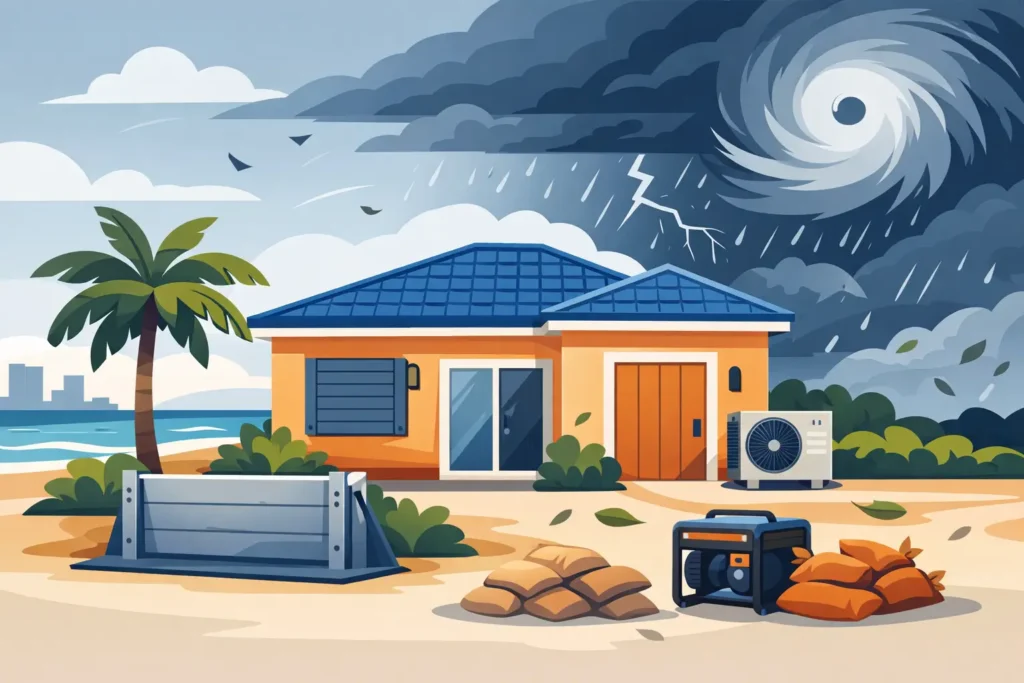
A hurricane warning is not the time to find out whether an aging roof, original windows, or a weak exterior door can handle South Florida wind. This storm protection upgrades list helps homeowners focus on improvements that protect the structure first, reduce costly damage, and can add real value long after the season ends.
For homes in Broward, Miami-Dade, and Palm Beach counties, the best plan is rarely a single product. A stronger home works as a system: the roof protects the top of the structure, impact-rated openings help keep the building envelope intact, and energy upgrades can improve everyday comfort while supporting long-term savings. The right order depends on your home’s age, condition, location, insurance requirements, and budget.
Start Your Storm Protection Upgrades List With the Roof
Your roof is one of the most important lines of defense against wind-driven rain. Even a small opening can allow water into the attic and living space, turning a repairable exterior problem into major interior damage. If your roof is nearing the end of its expected life, has repeated leaks, missing shingles or tiles, soft spots, or visible damage around vents and flashing, replacement may deserve priority over cosmetic upgrades.
A properly installed hurricane-ready roof should be selected for more than appearance. Homeowners should ask about the roof system, attachment methods, underlayment, flashing details, ventilation, and permits. These details affect how the roof performs when strong winds push rain into every vulnerable edge.
A new roof can also create an opportunity to improve energy performance. Light-colored roofing materials, appropriate ventilation, and a well-planned solar installation can help manage South Florida heat. Still, solar should not be installed over a roof that will soon need replacement. Address the roof first so panels do not have to be removed and reinstalled later.
Upgrade Windows and Doors Before They Become Failure Points
Windows, sliding glass doors, entry doors, and garage openings are common weak points during a storm. When an opening breaks or fails under pressure, wind can enter the home and place greater force on the roof and walls. That is why impact-resistant windows and doors are often among the highest-value upgrades for South Florida homeowners.
Impact products are designed to resist wind pressure and debris strikes while helping maintain the home’s protective envelope. They also bring year-round benefits that homeowners notice immediately: less outside noise, improved security, better indoor comfort, and reduced strain on air conditioning in many homes.
The best choice depends on your existing openings. A homeowner replacing a few damaged windows may choose a phased project. Someone with old single-pane windows, corroded frames, or multiple sliding doors may save time and disruption by completing the whole exterior opening package at once. In either case, installation quality matters as much as the product itself. Proper measurements, anchoring, flashing, sealing, and finishing are essential.
Do not forget secondary openings
A complete review should include more than front-facing windows. Check side and rear doors, patio sliders, laundry-room doors, garage service doors, skylights, and any opening that connects the home to the exterior. Older garage doors deserve special attention. If they are not rated for local wind requirements or show rust, loose hardware, or panel damage, replacement or reinforcement may be necessary.
The Practical Storm Protection Upgrades List
Every property is different, but these are the upgrades worth discussing during a professional home assessment:
- Roof replacement or repair with hurricane-appropriate materials, secure flashing, and modern underlayment.
- Impact-resistant windows, entry doors, French doors, and sliding glass doors.
- A wind-rated garage door or approved reinforcement for an existing door when appropriate.
- Improved roof-to-wall connections and exterior attachment hardware where an inspection identifies a need.
- Hurricane shutters for openings that are not yet being replaced with impact-rated products.
- Drainage improvements, including clean gutters, properly directed downspouts, and grading that moves water away from the foundation.
- Solar panel installation after confirming the roof is ready to support the project for the long term.
- Backup power planning for essential systems, particularly for homeowners who rely on medical equipment or need to protect refrigeration during outages.
Not every item belongs in every project. For example, shutters can be a practical short-term option when budget or timing does not allow full window replacement. However, many homeowners prefer impact windows and doors because protection is always in place without the work of installing panels before a storm.
Focus on Water Management Outside the Home
Wind gets the attention during hurricane season, but water causes plenty of expensive damage. Roof runoff that pools near the house, clogged gutters, poor grading, and blocked drains can all create problems during heavy rain. Take a walk around your home after a typical summer downpour. Standing water, overflowing gutters, washed-out mulch, and water marks near doors are signs that the drainage plan needs attention.
Keep tree limbs trimmed away from the roof and windows. Remove loose yard items before storms, including patio furniture, planters, grills, and décor that can become airborne. These tasks are simple, but they support your larger investment in impact protection and roofing.
If your property has older soffits, fascia, exterior trim, or fence sections showing rot or corrosion, address them before storm season. Small exterior weaknesses can worsen quickly under repeated wind and rain exposure.
Think About Solar as a Protection and Savings Upgrade
Solar does not replace a roof or impact-rated openings, but it can be a smart part of a larger home resilience plan. South Florida homeowners face high cooling demand for much of the year. Generating electricity from the sun can reduce dependence on utility power and help manage long-term energy costs.
Timing matters. A quality installer should evaluate roof condition, roof layout, shading, electrical capacity, and the homeowner’s energy use before recommending a system. If roof replacement is likely within a few years, complete that work first. Coordinating the roofing and solar projects can avoid duplicate labor and give the finished home a cleaner, more organized result.
For homeowners considering battery storage or backup power, expectations should be clear. The size of the system determines what can run during an outage. Some systems are intended to cover essential loads, while whole-home backup requires a larger investment. A professional assessment can help match the system to what matters most in your household.
Build a Project Plan That Fits Your Budget
The most effective upgrade plan is not always the most expensive one. It is the plan that addresses the greatest risks first and avoids paying twice for related work. A roof that is failing should move ahead of solar. Openings that are cracked, leaking, or noncompliant should move ahead of interior remodeling. Drainage issues should be corrected before they cause foundation, landscape, or water-intrusion problems.
Begin with an inspection and written estimate that clearly identifies priorities. Ask what work is included, what permits may be required, how long installation is expected to take, and what preparation is needed from you. It is also reasonable to ask how the contractor protects your property during the job and handles cleanup afterward.
Financing can make major protection upgrades more manageable, especially when replacing a roof and openings together. Some Florida homeowners explore PACE-related financing options for qualifying improvements. Because repayment terms and property obligations vary, review the details carefully and choose a payment approach that fits your household plans.
Hurricane Heroes helps South Florida homeowners coordinate roofing, impact windows and doors, and solar under one project plan, so the work is designed around how the upgrades support each other.
Choose Work That Protects More Than One Season
Storm preparation should give you confidence on an ordinary rainy afternoon as well as when a named storm is approaching. A well-planned upgrade can reduce water intrusion risk, strengthen vulnerable openings, improve comfort, support energy savings, and make your property more attractive to future buyers.
The best next step is to walk your home with a trained eye before the forecasts turn serious. Start with the roof and openings, address visible water issues, and build from there. Protection feels far more affordable when it is planned early, installed correctly, and built to serve your home for years.