


 Español
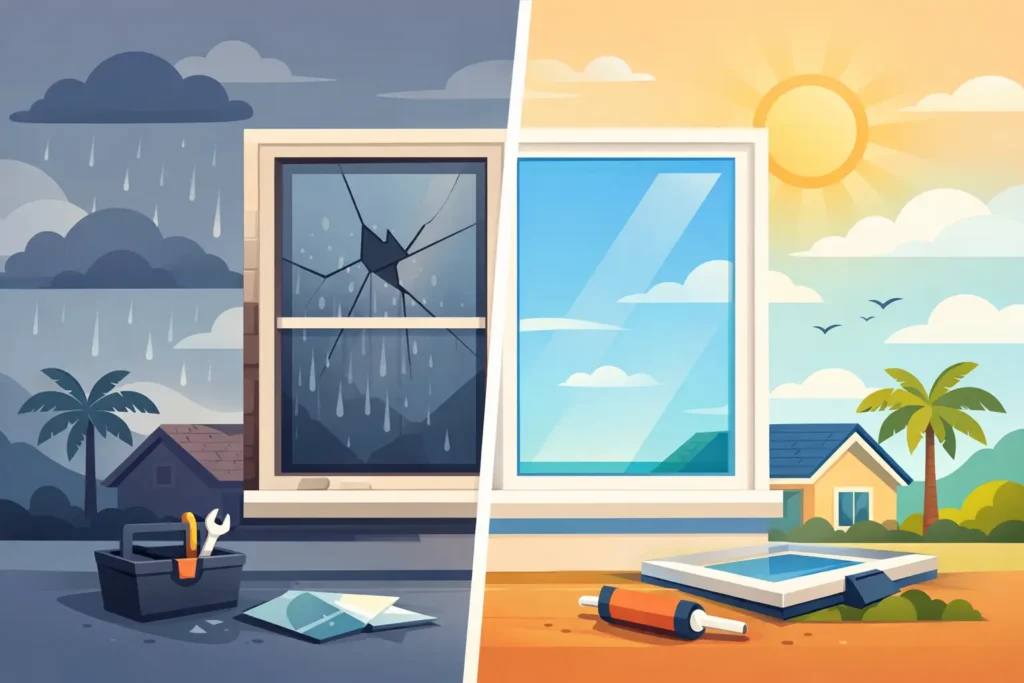
A window can look fine from the driveway and still leave your South Florida home exposed. If you are asking when should windows be replaced, the answer is rarely based on age alone. Drafts, difficult operation, water intrusion, outdated glass, and weak frames can all signal that your home is no longer getting the protection, comfort, or efficiency it should.
For homeowners in Broward, Miami-Dade, and Palm Beach counties, replacement windows are about more than appearance. They are part of a practical hurricane-readiness plan that can help protect your family, improve energy performance, and support the long-term value of your property.
When Should Windows Be Replaced? Watch for These Signs
Some window problems are obvious, like cracked glass after a storm. Others build slowly over years, showing up as higher cooling bills, moisture around the frame, or rooms that never seem to stay comfortable. Paying attention early can help you plan a replacement on your schedule instead of reacting after damage occurs.
Your windows are hard to open, close, or lock
Windows should open and close without excessive force, and locks should engage securely. If a window sticks, will not stay open, has a broken balance, or cannot lock properly, it creates both a safety concern and a security concern.
In hurricane-prone areas, a weak or unreliable window is especially troubling. You need to know your openings can be secured before a storm, not discover a problem while preparing your home under pressure. Minor hardware repairs may make sense for a newer window in otherwise good condition. But repeated operation issues, warped frames, or failing locks often point to a replacement need.
You see moisture, leaks, or damage around the frame
Water where it does not belong is never a small issue in a Florida home. Staining on drywall, peeling paint, soft wood, mold growth, or a musty smell near a window can indicate leaks around the frame or failed seals.
Sometimes the issue comes from surrounding stucco, flashing, or an installation defect rather than the window itself. That is why a professional evaluation matters. If the frame is deteriorating, the glass seal has failed, or water has repeatedly entered the wall area, replacing the window can prevent much more costly structural repairs later.
Condensation is trapped between glass panes
Fogging or moisture between panes in a double-pane window means the insulated seal has failed. Once that seal is compromised, the window loses a major part of its insulating value. The glass may still be intact, but it is no longer performing as designed.
In South Florida’s heat and humidity, failed insulated glass can make rooms harder to cool and reduce visibility through the window. Depending on the window’s age and condition, replacing a glass unit may be possible. If several windows have failed seals or the frames are aging, whole-window replacement is usually the more durable investment.
Your cooling bills keep climbing
Air conditioning works hard in South Florida. Older single-pane windows, poorly sealed frames, and damaged weatherstripping allow outside heat to enter while conditioned air escapes. Your HVAC system may run longer simply to keep up with the heat coming through your windows.
New impact-resistant windows with insulated glass and quality installation can improve comfort by helping limit heat transfer and air leakage. They are not a magic cure for every high utility bill – attic insulation, ductwork, roof condition, and thermostat habits matter too. Still, if rooms near your windows feel noticeably hotter than the rest of the house, your windows deserve a closer look.
You feel drafts or hear too much outside noise
A strong breeze coming through a closed window is a clear sign that seals, weatherstripping, or frames are no longer doing their job. Even without an obvious draft, rattling panes or persistent outdoor noise may suggest loose components and poor sealing.
Replacement windows can make your home feel quieter and more controlled, particularly near busy roads or high-traffic neighborhoods. Impact-rated glass is built for protection, but many homeowners also appreciate the everyday benefit of reduced outside noise.
Your windows are old and no longer meet current needs
Age alone does not automatically mean replacement. A well-maintained window can last many years. However, windows installed decades ago may lack the impact ratings, insulation, locking systems, and building-standard performance that homeowners now expect.
If your home still has single-pane glass, original aluminum windows with worn seals, wood frames showing rot, or windows installed before modern hurricane protection became a priority, it may be time to compare repair costs against replacement value. This is particularly true if you are planning a roof replacement, exterior renovation, or major home upgrade. Coordinating projects can reduce disruption and give your home a more complete protection strategy.
Storm Damage Does Not Always Look Dramatic
After a hurricane or strong wind event, homeowners often look for shattered glass and obvious frame damage. Those are urgent issues, but they are not the only signs to watch for. Windows can be weakened by flying debris, wind pressure, shifting frames, and water intrusion without immediately breaking.
Inspect for new cracks in glass, loose trim, bent screens, damaged seals, difficulty locking, and water stains that appear after heavy rain. If a window was struck by debris, it should be assessed even if the glass appears unbroken. Small damage can become a larger problem during the next storm.
Older non-impact windows may also require shutters or panels every hurricane season. For many homeowners, upgrading to impact-resistant windows is about reducing that preparation burden while adding a permanent layer of protection. No product removes the need to follow official evacuation orders or storm guidance, but properly selected and installed impact windows can help protect the building envelope when severe weather arrives.
Repair or Replace: How to Make the Right Call
Repair is often sensible when the window is relatively new and the problem is isolated. A damaged screen, worn weatherstripping, minor hardware issue, or a single failed component may be resolved without replacing the entire unit.
Replacement becomes more practical when problems are widespread, frames are warped or rotted, water is getting into the walls, or multiple panes have failed. It also makes sense when your existing windows do not provide the level of hurricane protection you want for your family and property.
Consider the total cost of continuing repairs, not just the next repair bill. If you are repeatedly paying to patch leaks, replace hardware, or address glass issues, that money may be better directed toward windows designed for today’s Florida conditions. New windows may also support better curb appeal, home value, energy efficiency, and potential insurance savings, depending on your policy and the products installed.
What to Look for in Replacement Windows in South Florida
Not every replacement window is built for the same climate or risk level. South Florida homeowners should focus on products that are appropriate for local wind requirements and professionally installed to perform as intended.
Look for impact-resistant glass, durable frames, strong locking systems, and energy-efficient glass options suited to intense sun and heat. The installation is just as important as the window itself. Proper measurements, secure anchoring, weatherproofing, and attention to the surrounding opening all affect how well a window performs over time.
It is also smart to think about the home as a system. If your roof is nearing the end of its life or your doors are also outdated, coordinating those upgrades can create more consistent protection. Hurricane Heroes helps homeowners take that broader view, combining exterior improvements that strengthen the home without requiring multiple contractors to manage the work.
Plan Before Hurricane Season Pressure Builds
The best time to replace windows is usually before there is an emergency. Once a named storm is approaching, product availability, installation schedules, and homeowner stress all become more challenging. Planning early gives you time to compare options, understand the scope of work, and explore financing choices that fit your budget.
A professional assessment can identify whether your concern is a repairable issue, an installation problem, or a clear replacement need. Bring up practical questions during that conversation: Are the windows impact-rated? What condition are the frames in? Could new windows help with heat, noise, and water intrusion? What permits or approvals may be required for your property?
Your home should feel like a place of refuge when the weather turns. If your windows are showing their age, leaking, sticking, or leaving you uncertain before storm season, an evaluation now can give you a clearer path to a safer, more efficient home.