


 Español
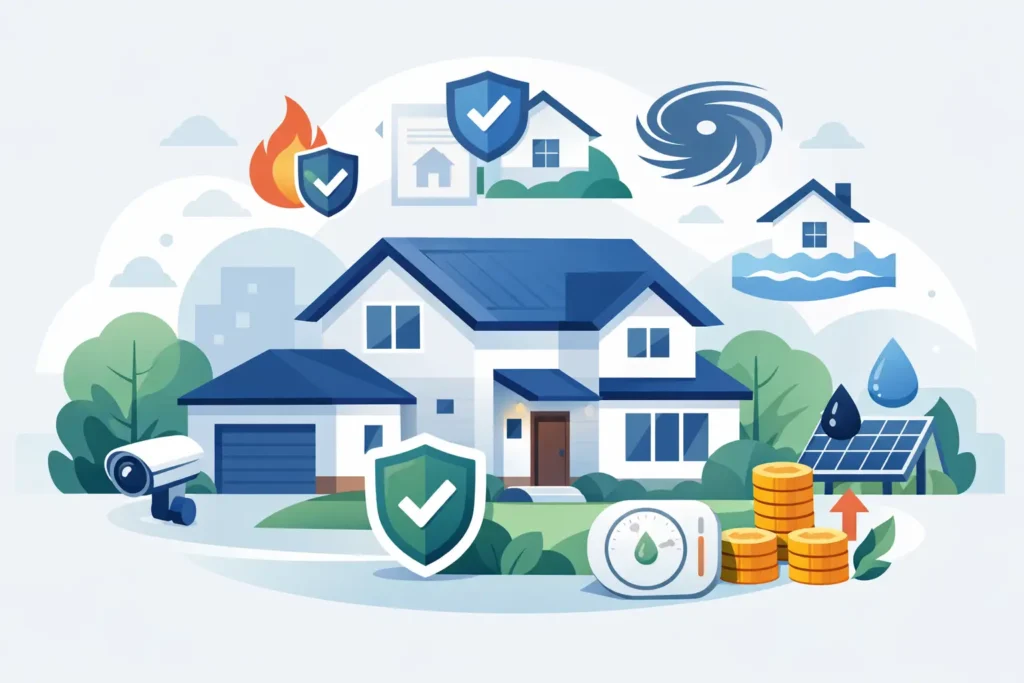
A Florida insurance renewal notice can turn a small home weakness into a major monthly expense. For homeowners in Broward, Miami-Dade, and Palm Beach counties, the best home upgrades for insurance savings are usually the ones that reduce wind damage risk first. A stronger roof, protected openings, and documented wind-mitigation features can make your property safer while giving your insurer more reasons to price your policy favorably.
The key is to invest in improvements that protect the parts of your home most likely to fail during a hurricane. Not every upgrade earns the same discount, and no contractor can promise a specific premium reduction. But the right project, completed to current standards and supported by the right paperwork, can improve your eligibility for available credits while adding real protection and long-term value.
Best Home Upgrades for Insurance Savings in South Florida
Start with a code-compliant roof replacement
Your roof is one of the first places an insurer looks when evaluating hurricane exposure. An aging roof can lead to limited coverage options, higher premiums, or requirements to replace it before a policy is renewed. A new roof does more than improve curb appeal. It helps reduce the chance of wind-driven rain entering the home after a storm damages shingles, tiles, underlayment, or roof decking.
For insurance purposes, the installation details matter as much as the roof material. Features such as reinforced roof-to-wall connections, properly secured decking, a secondary water barrier, and a hip roof shape may qualify for wind-mitigation credits depending on your home and carrier. A hip roof, which slopes down on all sides, generally performs better in high winds than a gable roof because it presents fewer broad, flat surfaces to wind pressure.
A roof replacement is a major investment, so it should not be chosen on insurance savings alone. The strongest reason to replace an older roof is protection, especially if it is near the end of its useful life or shows signs of wear. The potential premium savings and improved insurability are meaningful benefits that can help support the decision.
Install impact-resistant windows and doors
When a window or exterior door breaks during a hurricane, wind can enter the home and create dangerous pressure inside the structure. That pressure can contribute to roof failure, wall damage, and widespread water intrusion. Impact-resistant windows and doors are designed to withstand flying debris and severe wind conditions without requiring separate storm shutters for protection.
For many South Florida homeowners, this is one of the most visible and valuable hurricane upgrades available. Impact-rated openings protect the home year-round, not just when shutters are installed before a storm. They can also improve security, reduce outside noise, and help manage heat transfer through older, inefficient glass.
Insurance carriers may recognize approved impact protection through windstorm discounts, but requirements vary. The product must meet the applicable rating, be installed correctly, and protect all qualifying openings. Replacing only a few windows may improve comfort and appearance, yet it may not create the same insurance benefit as a whole-home opening protection plan. Before starting, ask your insurance agent what documentation and level of protection your carrier requires.
Reinforce roof-to-wall connections
A roof is only as secure as the connection between the roof structure and the walls below it. In high winds, weak or outdated connections can allow uplift forces to pull the roof away from the home. Hurricane straps, clips, and other reinforced connectors are designed to hold that structure together more effectively.
Many older South Florida homes were built before today’s hurricane-focused building codes. That does not automatically mean they are unsafe, but it does mean they may lack features insurers reward through wind-mitigation credits. An inspection can identify the type of connections your home already has and whether an upgrade is practical.
This work can be more involved than replacing windows or a roof because access is often limited by the attic, walls, and existing construction. Still, when the conditions are right, reinforced connections can be a smart addition to a larger roof project. Coordinating the work at the same time may be more efficient than opening up the roof later.
Add a secondary water barrier
A secondary water barrier is an extra layer of protection beneath the roof covering. If wind damages tiles, shingles, or other exterior roofing materials, the barrier can help prevent water from reaching the roof deck and entering the home.
This feature is usually easiest to add during a full roof replacement. It may not be visible once the project is complete, but it can make a major difference after a storm. In some cases, it may also be listed as a wind-mitigation feature on the inspection report used by your insurer.
Think of it as backup protection, not a replacement for a quality roof system. The best results come from a complete installation that addresses deck attachment, underlayment, flashing, ventilation, and roof covering as one coordinated system.
Document your mitigation features with an inspection
One of the most overlooked ways to pursue insurance savings is also one of the simplest: make sure your insurer knows what you have. A wind-mitigation inspection records specific hurricane-resistance features, such as roof geometry, roof deck attachment, roof-to-wall connections, opening protection, and water-resistance measures.
Without this report, a carrier may not apply every credit for which your home qualifies. After a roof replacement or impact window and door installation, submit updated documentation to your agent or insurer promptly. Keep copies of permits, product approvals, final inspection records, paid invoices, and warranties in a safe place.
An older inspection report may no longer reflect your property after improvements. Updating it can be especially worthwhile after completing a larger project, even if you have had the same policy for years. Savings depend on the insurer, coverage type, location, construction, deductible, and the exact mitigation features documented, but accurate records give you the best chance to receive available consideration.
Upgrades That Help Indirectly
Solar panels can lower your electric bill, which is a different kind of household savings than an insurance discount. On their own, solar systems do not typically reduce homeowners insurance premiums. In fact, adding panels can increase the value of your home and may require an update to your dwelling coverage.
That does not make solar a poor investment. For homeowners facing high cooling costs, it can be a practical way to reduce dependence on utility power and improve long-term energy performance. The important step is to notify your insurer after installation and confirm your policy provides appropriate coverage for the system.
Likewise, replacing an old garage door with a hurricane-rated model can strengthen a vulnerable opening, particularly if the garage is attached to the home. A failed garage door can allow wind pressure into the structure. Whether it earns a separate discount depends on the policy, but it remains a sensible protection upgrade.
How to Plan a Project That Protects Your Budget
Start with the condition of your home, not a discount estimate. If the roof is aging, leaks are appearing, or your windows and doors are not impact-rated, those are clear priorities. Next, ask your insurance agent which mitigation credits are available under your current policy and what proof is required. This avoids spending money on an upgrade that does not fit your carrier’s guidelines.
Then look for opportunities to combine projects. Replacing a roof is an ideal time to address underlayment, deck attachment, and water barriers. Updating windows and doors together can provide consistent protection across the home and make it easier to document qualifying opening coverage. A coordinated approach also reduces the frustration of hiring separate contractors for related work.
Financing can make larger resilience projects more manageable, but read the terms carefully and compare the total cost over time. PACE-related financing education may be useful for qualified homeowners who want to explore options beyond paying the full project cost upfront. The best financing choice depends on your property, payment comfort, and long-term plans for the home.
Protection First, Savings Second
The strongest insurance strategy is a home that is genuinely harder to damage. Premium credits can change from one carrier to another and from one renewal period to the next, but a well-installed roof, impact-rated openings, and properly documented mitigation features continue protecting what matters most.
If you are considering a roof replacement, impact windows and doors, or solar for a South Florida property, Hurricane Heroes can help you plan improvements around protection, performance, and practical value. A clear project plan today can give you more confidence when the next storm season arrives.