


 Español
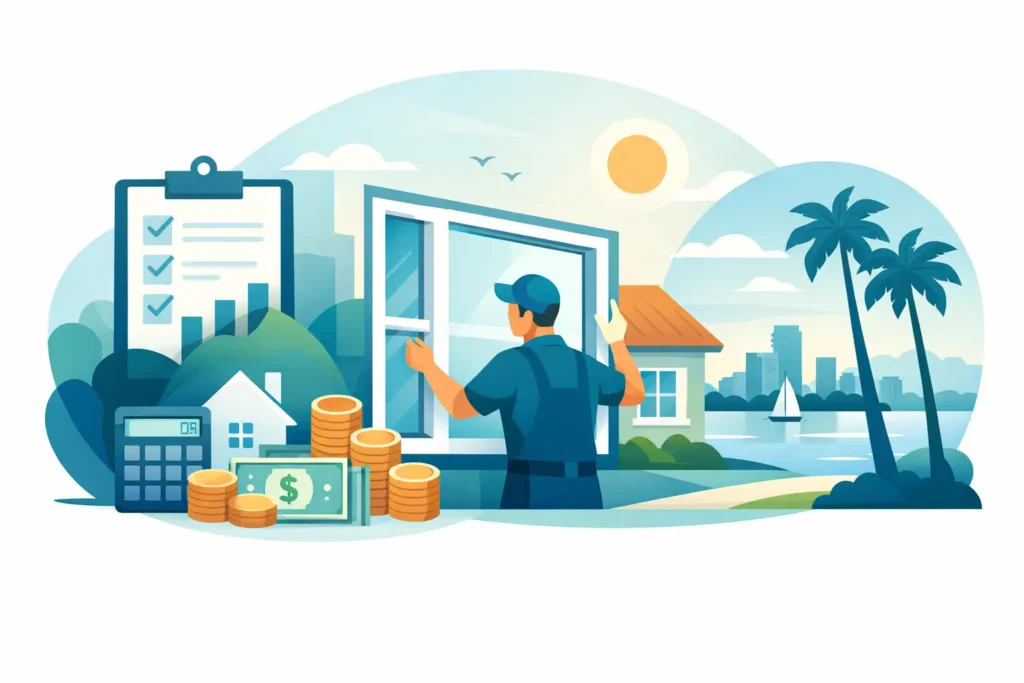
A failed window in South Florida is more than an inconvenience. It can mean water intrusion, higher cooling bills, outside noise, and a weak point when hurricane season arrives. If your home needs impact-resistant windows but the project cost feels out of reach, learning how to finance window replacement can help you protect your property without draining savings all at once.
The right payment plan depends on your home, your timeline, your credit profile, and the financing programs available to you. The goal is not simply to find the lowest monthly payment. It is to choose an option that makes sense for your total cost, your long-term plans, and the level of hurricane protection your home needs.
Start With a Clear Project Scope and Written Estimate
Before comparing financing options, get clear on what your window replacement project includes. Impact windows cost more than standard replacement windows because they are engineered and installed to help protect your home from windborne debris and extreme weather. In return, they can improve safety, energy efficiency, security, and curb appeal.
A detailed estimate should identify the number of openings, window styles, glass and frame specifications, permit requirements, installation work, and any related repairs. This matters because financing a complete, properly permitted impact-window project is usually a better long-term value than financing a partial upgrade that leaves vulnerable openings behind.
For South Florida homeowners, it also helps to ask whether doors, roofing, or solar improvements should be coordinated with the window project. Bundling work can reduce repeated disruption and help you build a more complete protection plan. Still, a larger project means a larger obligation, so only include improvements that fit your budget and priorities.
How to Finance Window Replacement: Your Main Options
There is no single best method for every homeowner. These are the most common ways to pay for replacement windows in Broward, Miami-Dade, and Palm Beach counties.
Pay With Savings or Cash
Using savings avoids interest charges, lender fees, and ongoing payments. If you have the funds available after keeping a healthy emergency reserve, cash can be the simplest path.
The trade-off is liquidity. A hurricane-related repair, medical expense, or major home issue can arise without warning. It may not be wise to use every available dollar on windows, even when the upgrade is valuable. Many homeowners choose to make a down payment from savings and finance the remaining balance.
Home Improvement Loans and Personal Loans
A personal loan can provide a fixed amount of money with predictable monthly payments. Approval, interest rate, and repayment terms typically depend on income, credit history, debt levels, and the lender’s requirements.
This option can work well when you want a straightforward payment schedule and do not want to place a lien on your home through a mortgage-based product. However, unsecured loan rates may be higher than rates for secured financing, particularly if your credit is limited. Compare the annual percentage rate, origination fees, total repayment amount, and any prepayment penalty, not just the monthly number.
Home Equity Loans or HELOCs
If you have built equity in your home, a home equity loan or home equity line of credit, often called a HELOC, may offer another way to fund impact window replacement. A home equity loan generally provides a lump sum with fixed payments. A HELOC usually gives you a line of credit that you can draw from as needed, often with a variable rate.
These products may offer favorable rates compared with unsecured borrowing, but your home secures the debt. The application process can also take longer, and closing costs may apply. This approach may be a fit for homeowners planning a larger renovation that includes windows, doors, roofing, or energy upgrades, but it deserves careful consideration.
PACE Financing for Eligible Improvements
Property Assessed Clean Energy, or PACE, financing is widely discussed by Florida homeowners because it can help fund qualifying energy-efficiency and hurricane-resilience improvements, including eligible impact windows and doors. Instead of functioning like a traditional bank loan, PACE financing is generally repaid through an assessment on your property tax bill.
For homeowners who prefer not to pay the entire project cost upfront, PACE may offer longer repayment terms and eligibility criteria that differ from conventional lending. That can make a major safety upgrade more accessible, especially when protecting a home before storm season is a priority.
PACE is not a casual decision, though. The assessment is tied to the property and may take priority over certain other obligations. It can affect refinancing, selling the home, or a buyer’s willingness to assume the assessment. Program availability, qualification rules, interest, fees, and terms vary. Review every disclosure, speak with your mortgage servicer or a qualified financial professional if needed, and make sure you understand the full annual tax-bill impact before signing.
Contractor Financing Programs
Some contractors work with financing partners that offer installment plans for home improvement projects. These programs can be convenient because the application and project planning may happen in the same place. Promotional rates or deferred-interest offers can also look attractive.
Read the terms closely. A low introductory payment may increase later, and deferred interest can become expensive if the balance is not paid under the promotional rules. Ask for the exact interest rate, payment schedule, term length, fees, and total amount you will pay. A reputable contractor should be comfortable giving you time to review the paperwork without pressure.
Compare the Total Cost, Not Just the Payment
A payment that fits comfortably this month can still be costly over several years. When comparing window financing options, place the offers side by side and look at the same details: the amount financed, annual percentage rate, repayment term, monthly payment, fees, total interest, and total repayment amount.
Also consider the value of the upgrade itself. Properly installed impact-resistant windows can reduce the need for storm shutters in many situations, help limit UV exposure inside the home, reduce air leakage, and strengthen security. Depending on your insurer and policy, qualifying wind-mitigation improvements may also support insurance savings. Savings are never guaranteed, so confirm potential discounts directly with your insurance carrier before building them into your budget.
The most affordable choice is often the one that balances manageable payments with a reasonable total cost while delivering the protection your home actually needs.
Questions to Ask Before You Sign
Financing should make a needed improvement easier to manage, not create confusion. Before accepting an offer, ask how long the rate is valid, whether it is fixed or variable, whether there are application or closing fees, and whether you can pay the balance early without a penalty.
Ask what happens if the project scope changes after permits or measurements are completed. Find out when payments begin and whether funds are released before, during, or after installation. For PACE-funded projects, ask how the assessment appears on your tax bill and what it could mean if you sell or refinance.
Finally, confirm that the contractor is properly licensed, insured, and experienced with South Florida impact-window requirements. Financing a poorly installed product is never a bargain. Quality materials, correct installation, permits, and responsive service protect the value of every dollar you spend.
Build a Payment Plan Around Hurricane Season
Waiting until a storm is approaching can limit your choices. Demand for protection upgrades often rises quickly when a major system is in the forecast, and rushed decisions can lead to compromises on product selection, scheduling, or financing terms.
If your windows are aging, difficult to operate, visibly damaged, or not rated for current hurricane conditions, start gathering estimates before the seasonal rush. Set a target down payment, review your monthly budget, and decide which financing terms feel sustainable even if utility bills, insurance costs, or other household expenses change.
Hurricane Heroes helps South Florida homeowners plan impact-window projects around protection, efficiency, and practical financing conversations. The best time to make your home stronger is when you have time to compare your options, ask informed questions, and choose a payment plan that lets you move forward with confidence.