


 Español
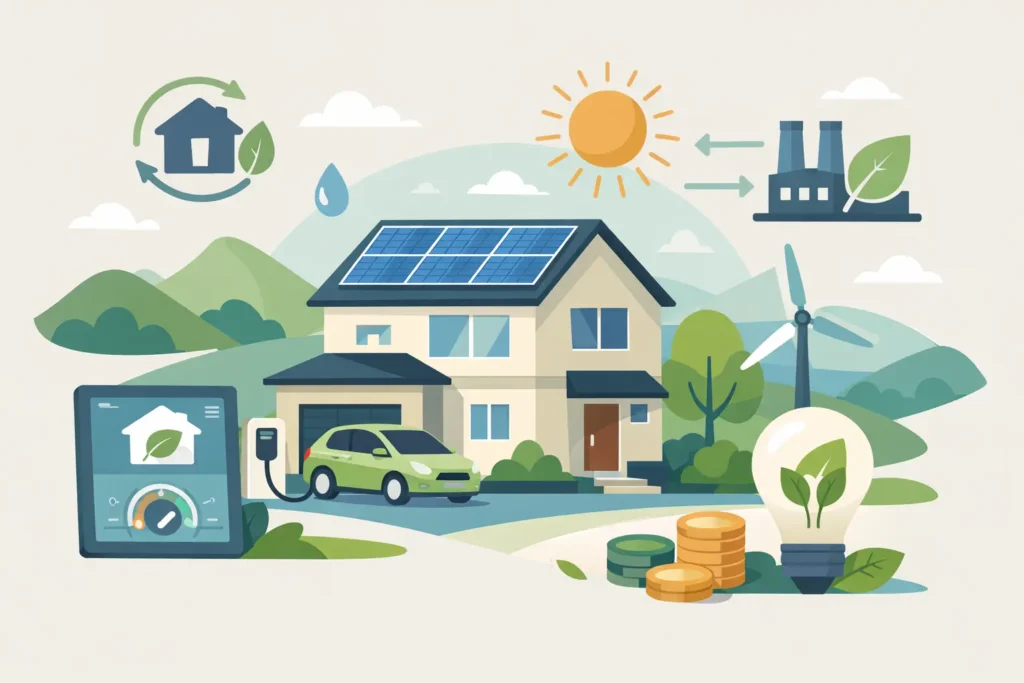
Your AC has been running all afternoon, the blinds are closed, and the house still feels warm by 3 p.m. That is the reality for a lot of South Florida homeowners. If you are wondering how to make your home more energy efficient, the answer usually is not one small fix. It is a set of smart upgrades that work together to keep heat out, reduce strain on your systems, and make your home stronger at the same time.
In Broward, Miami-Dade, and Palm Beach, energy efficiency is tied directly to comfort, monthly bills, and storm readiness. A home that leaks air, absorbs heat through an aging roof, or relies on outdated windows will cost more to cool. It can also leave you more exposed during hurricane season. The best improvements do both jobs well – they protect your home and lower long-term operating costs.
Where energy loss usually starts
Most homeowners think first about appliances or thermostat settings. Those matter, but in South Florida, the bigger losses often come from the building itself. Heat enters through the roof, windows let in solar gain, doors leak conditioned air, and older materials simply do not perform like newer systems.
That is why high-impact upgrades often start outside the house, not inside it. If your home shell is weak, your HVAC system has to work harder every day. You end up paying for that extra effort month after month.
How to make your home more energy efficient with bigger upgrades
If your goal is meaningful savings, start with the improvements that change the way your home handles heat and air. These are the upgrades that often make the biggest difference in Florida homes.
Replace an aging roof with an energy-smart roofing system
Your roof takes the full force of the South Florida sun. If it is old, dark, damaged, or poorly ventilated, it can trap heat and push indoor temperatures up fast. That means your air conditioner runs longer and cycles harder.
A newer roofing system can help reflect more heat, improve ventilation, and create a tighter barrier against moisture and air intrusion. In hurricane-prone areas, that matters for more than efficiency. A well-installed roof also supports better storm protection and may help with insurance considerations depending on the materials and overall system.
This is one of those upgrades where the trade-off is upfront cost. Roof replacement is a major project, not a weekend fix. But if your roof is near the end of its life anyway, choosing a more energy-conscious system can improve comfort and reduce waste for years.
Upgrade to impact windows and doors
Old windows are one of the fastest ways to lose cooled air and gain unwanted heat. In South Florida, that problem gets expensive. Standard or aging windows may let in strong solar heat even when they are closed, and worn seals can allow air leakage that makes cooling less effective.
Impact-resistant windows and doors can help in two ways. First, they are built for storm protection, which is a major priority in this region. Second, modern products can reduce heat transfer and help maintain more stable indoor temperatures.
Not every home needs every opening replaced at once. If budget is a concern, some homeowners phase the project over time. Still, replacing the worst-performing windows and doors first can give you a noticeable improvement in comfort. If your current openings are also outdated from a safety standpoint, doing the full job together may offer the best value.
Add solar if your home is a good fit
Solar does not reduce the amount of energy your home uses, but it can reduce how much electricity you buy from the grid. For many Florida homeowners, that can be a smart move because of the amount of sun available year-round.
That said, solar works best when the home is already reasonably efficient. If your roof, windows, and air sealing are poor, adding panels without fixing those issues first can mean you are just generating power to support an inefficient house. The better approach is usually to reduce waste first, then look at solar as part of a bigger long-term savings plan.
Roof condition matters here too. If your roof is older, it may make more sense to replace it before installing panels rather than disturb the system later. Coordinating roof, openings, and solar together can save time and avoid repeated project costs.
Smaller changes that still help
Major exterior upgrades often deliver the strongest results, but there are smaller actions that can improve efficiency right away. These steps are especially useful if you are trying to lower bills now while planning larger improvements.
Seal air leaks and check insulation
Even in warm climates, insulation matters. It helps keep outdoor heat from pushing into your living space. Air leaks around doors, windows, attic access points, and ductwork can also make your cooling system work harder than it should.
If some rooms are harder to cool than others, poor insulation or air leakage may be part of the problem. These fixes are usually less dramatic than a roof or window replacement, but they support the performance of every other upgrade you make.
Service your HVAC system regularly
A struggling AC system can drive up energy use quickly. Dirty filters, low refrigerant, clogged drain lines, and worn components all reduce efficiency. Regular service helps your system cool more effectively and may extend its lifespan.
This is one area where delaying maintenance often costs more later. If your unit is older, there may be a point where replacement makes more financial sense than repeated repairs. It depends on the age of the system, repair history, and how much energy it is using now.
Use a smart thermostat the right way
A smart thermostat can help, but it is not magic. It works best when paired with a house that can hold temperature well. In a leaky home, lowering the thermostat remotely may just make your AC run harder.
Still, scheduling temperatures around when you are actually home can reduce waste. The key is realistic settings. Cranking the AC down very low does not cool the house faster. It just keeps the system running longer.
Why South Florida homeowners should think beyond utility bills
Learning how to make your home more energy efficient is not only about monthly savings. In this market, efficiency and resilience are connected. Stronger materials, better installation, and updated exterior systems can improve comfort while also helping your home stand up better to storms.
That matters when you are protecting your family, preserving property value, and trying to avoid repeat repairs after severe weather. Buyers notice these upgrades too. A home with a newer roof, impact openings, and lower operating costs often stands out more than a home with cosmetic updates alone.
There is also the financing question. Many homeowners delay major improvements because they assume they need all the cash upfront. In reality, project financing and PACE-related options may make larger upgrades more practical, especially when those upgrades reduce energy waste and strengthen the home at the same time.
What to prioritize first
The right order depends on your home. If your roof is old, start there. If your windows are the weak point and rooms are heating up from sun exposure, focus on openings. If the home shell is in good shape but electric bills are still high, then your HVAC performance or solar potential may deserve a closer look.
A simple way to think about it is this: stop energy loss first, improve system performance second, and produce power third. That order tends to create better long-term value than jumping straight to the most visible upgrade.
For many homeowners, the smartest path is a coordinated one. That is especially true in South Florida, where the same improvements that help lower cooling costs can also strengthen the property against wind, rain, and flying debris. Companies like Hurricane Heroes are built around that kind of whole-home approach because it solves more than one problem at once.
If your home feels harder to cool every summer, take that as a sign to look deeper. The best energy-efficient upgrade is the one that fixes the real weakness in your home, protects what matters most, and keeps paying you back in comfort long after the work is done.