


 Español
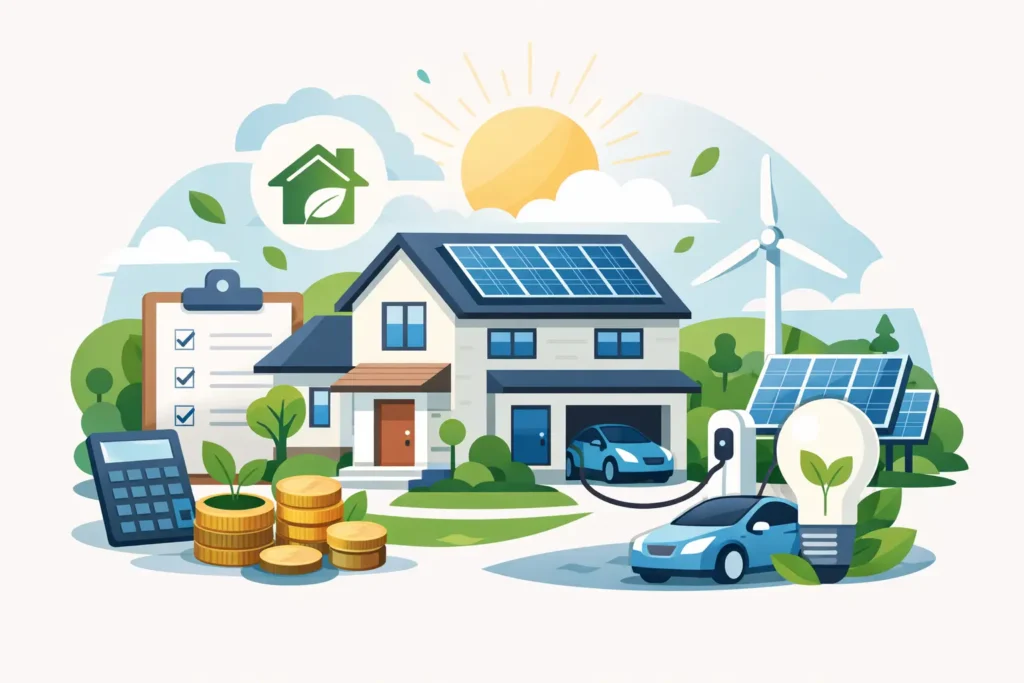
A new roof, impact windows, or better insulation can feel like a big expense until you look at the full picture. The energy efficient home improvement credit can help lower the real cost of qualifying upgrades, which matters even more in South Florida where heat, storms, and high utility bills put extra pressure on homeowners.
For many property owners in Broward, Miami-Dade, and Palm Beach, the question is not whether the house needs improvement. It is which upgrades will protect the home, improve comfort, and make the numbers work. That is where this tax credit gets attention. It rewards certain energy-saving improvements, but it does not cover everything, and the details matter.
What the energy efficient home improvement credit actually does
The energy efficient home improvement credit is a federal tax credit for eligible improvements made to an existing home in the United States. In simple terms, it can reduce the amount of federal income tax you owe when you install certain qualifying products.
That distinction matters. A tax credit is not the same as a rebate, and it is not a discount taken off your contractor invoice. You still need to pay for the project up front unless you are using financing. The credit comes into play when you file your taxes, assuming the improvement and your tax situation qualify.
For homeowners, the main value is straightforward. If you already need to upgrade a home system, choosing a qualifying energy-efficient option may help you keep more money in your pocket. Over time, the benefit can stack with lower monthly utility bills and, in some cases, better home value.
Which upgrades may qualify for the energy efficient home improvement credit
This is where homeowners need to slow down and avoid assumptions. Not every home improvement qualifies just because it sounds energy efficient. Federal rules are specific about product type, performance standards, and annual limits.
In many cases, qualifying categories can include exterior doors, windows, skylights, insulation, air sealing materials, certain central air conditioners, water heaters, furnaces, boilers, heat pumps, biomass stoves, and home energy audits. Eligibility depends on current IRS rules and product standards, so the product itself matters just as much as the installation.
For South Florida homeowners, windows and doors often get the most interest. People hear “energy efficient” and immediately think of impact glass, which makes sense in our market. But hurricane resistance and tax-credit eligibility are not automatically the same thing. Some products may deliver excellent storm protection without meeting the exact efficiency requirements tied to the credit. Others may do both. You have to verify the certification before you count on the tax benefit.
Roofing creates similar confusion. A roof replacement can absolutely improve comfort and energy performance, especially if your old roof is worn, poorly ventilated, or paired with outdated attic insulation. But whether the roof itself qualifies for the credit depends on the materials and the current tax rules. Homeowners should never assume that a full roof project qualifies from top to bottom.
Why this credit matters more in South Florida
In colder regions, energy conversations often focus on winter heating. Here, the pressure comes from year-round sun, heavy air-conditioning use, humidity, and storm exposure. That changes the value of efficient upgrades.
High-performance windows can help reduce heat gain. Better insulation and air sealing can keep cooled air where it belongs. An updated exterior door system can improve both comfort and security. If a homeowner is already replacing damaged or aging components, choosing options that may qualify for the energy efficient home improvement credit can make a practical project even smarter.
There is also a resilience angle that matters in Florida. Homeowners are not just chasing lower bills. They want stronger homes that can handle wind, rain, and long-term wear. The best projects often do more than one job at once. A well-planned exterior upgrade can improve storm readiness, comfort, and operating costs together.
The biggest mistake homeowners make
The most common mistake is building the budget around a tax credit before confirming eligibility. That can lead to disappointment if the product, property, or paperwork does not meet the rules.
Another mistake is choosing the cheapest option instead of the best-value option. A lower-priced product may save money on day one, but it may fall short on energy performance, durability, or storm protection. In South Florida, that trade-off can be expensive later.
A better approach is to look at the full value of the project. Ask what the upgrade does for utility costs, storm resilience, maintenance, insurance, and resale appeal. Then treat the tax credit as a bonus rather than the only reason to move forward.
How to plan around the credit without getting burned
Start by identifying what your home actually needs. If your windows leak air, your doors are warped, or your roof is reaching the end of its useful life, those are real problems worth solving. Tax incentives should support the project, not create it.
Next, confirm whether the product qualifies before signing a contract. Ask for manufacturer documentation and efficiency certifications. A contractor should be able to explain what may qualify and what falls outside the rules, but it is still wise to keep your own records.
You also want to pay attention to timing. Tax credits apply to the year the qualifying improvement is placed in service, which generally means installed and ready for use. If a project gets delayed across calendar years, your tax planning may change.
Finally, keep every invoice, product certification, and project record in one place. If you claim the credit, documentation matters. That is especially true for larger projects where multiple product types are installed at once.
Energy efficient home improvement credit vs. solar tax incentives
Homeowners often mix these up, especially when planning a major exterior upgrade. The energy efficient home improvement credit is generally tied to specific efficiency upgrades like qualifying windows, doors, insulation, and HVAC-related improvements. Solar incentives usually fall under a different federal tax credit structure.
That difference is important because a home may be eligible for more than one type of tax benefit depending on the project. If you are considering both envelope upgrades and solar, planning them together can make the investment more strategic. Still, each credit has its own rules, percentages, and limits.
For a South Florida homeowner, that can be a real opportunity. A house with a strong roof system, efficient openings, and solar may be better positioned for lower operating costs and stronger long-term value. But it has to be planned carefully. Good projects are coordinated. Expensive mistakes usually happen when each upgrade is treated like a separate decision.
When financing still makes sense
Some homeowners hear “tax credit” and assume that waiting is the safest move. But if your windows are failing, your roof is vulnerable, or your energy bills keep climbing, delay can cost more than action.
That is where financing can still make sense. The credit may reduce your tax burden later, while financing helps you complete the project now. For some families, that combination is the only realistic path to making a needed improvement without draining savings.
This is especially relevant in Florida, where storm seasons do not wait for the perfect budget window. If the home needs protection and performance upgrades, the goal is to structure the project in a way that is affordable and well-documented.
What to ask before moving forward
Before you approve any proposal, ask a few direct questions. Does the specific product appear to meet current efficiency requirements? What documentation will you receive for tax purposes? Which parts of the project may qualify, and which parts probably will not?
That last question is worth asking every time. On a mixed project, some components may qualify while labor or related upgrades may not. Clear expectations protect your budget and help you avoid surprises at tax time.
A trusted contractor should be comfortable having that conversation in plain language. At Hurricane Heroes, that kind of straightforward planning matters because homeowners here are making serious investments in protection, efficiency, and long-term peace of mind.
The smartest upgrades are the ones that solve real problems now and still look like a good decision years from now. If the energy efficient home improvement credit helps reduce the cost along the way, that is not just a tax perk. It is one more reason to make your home stronger, safer, and more affordable to own.