


 Español
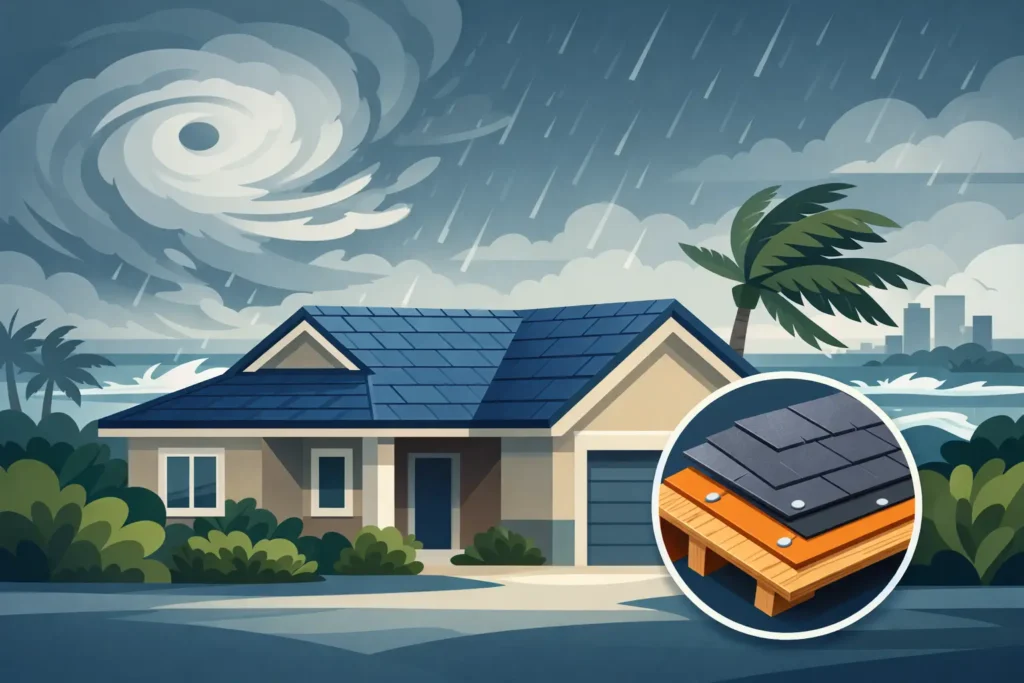
A roof can look perfectly fine from the driveway and still be the weak point that lets wind-driven rain into your home. That is why learning how to choose hurricane roofing means looking beyond color, curb appeal, or the lowest estimate. For South Florida homeowners, the right roof is a complete protection system designed for intense wind, heavy rain, extreme heat, and the years between storms.
A smart roofing decision protects your family, helps preserve your property value, and may support lower insurance costs when the work qualifies for available wind-mitigation credits. The best choice depends on your home, its location, your budget, and the condition of the structure beneath the existing roof.
Start With Your Home’s Wind Requirements
South Florida roofing is not one-size-fits-all. Miami-Dade and Broward counties are within the High-Velocity Hurricane Zone, where building requirements are especially strict. Palm Beach County homes also face serious storm exposure and must meet applicable Florida Building Code requirements.
Before choosing a material, make sure your contractor evaluates the roof’s required wind resistance based on your property’s location, height, roof shape, and exposure. A home near the coast, on open water, or in an area with few surrounding structures can experience stronger wind pressures than a more sheltered property.
Ask for a proposal that clearly identifies the roofing system being installed and confirms that the work will be permitted and completed to current local code. A reputable contractor should never treat permits, inspections, or manufacturer installation requirements as optional details. They are part of the protection you are paying for.
How to Choose Hurricane Roofing by Material
The strongest roofing material is not automatically the right material for every home. Weight, maintenance needs, architectural style, budget, and installation quality all matter. The goal is to select a system rated for your conditions and installed correctly from the deck up.
Architectural Shingles
Architectural asphalt shingles are a popular option because they provide a traditional appearance at a more accessible price point than many premium materials. Quality shingles can offer strong wind ratings when paired with the right underlayment, starter strips, fastening pattern, and ridge components.
They are often a practical choice for homeowners who need a reliable replacement without changing the home’s appearance or placing significant additional weight on the structure. However, shingles generally have a shorter expected service life than metal or tile, particularly under constant South Florida sun and storm exposure. The product rating matters, but the installation details matter just as much.
Metal Roofing
Metal roofing can be an excellent hurricane-ready option for homeowners seeking long-term durability, energy benefits, and a clean architectural look. It is lightweight compared with tile, sheds rain efficiently, and can reflect solar heat when finished with an appropriate coating.
The trade-off is upfront cost. Metal roofing also requires precise detailing around penetrations, transitions, edges, and fasteners. A poorly installed metal roof can create noise, leaks, or panel movement. When installed by an experienced local crew using a tested system, metal can be a strong investment for homes expected to face decades of heat, rain, and wind.
Tile Roofing
Concrete and clay tile are common throughout South Florida because they offer lasting beauty, heat resistance, and a distinctive look that suits many communities. Tile can perform well in hurricanes when it is properly attached and supported by an upgraded waterproofing system.
Still, tile is heavy. Your roof structure must be evaluated to ensure it can support the material, especially if you are switching from shingles. Individual tiles can also crack or become displaced over time, so periodic inspection and maintenance are essential. The tile itself is only one layer of protection. Underlayment condition and attachment methods are critical to the roof’s performance.
Focus on the Entire Roofing System
Hurricane protection is not created by the outer material alone. A complete roof system includes the deck, underlayment, fasteners, flashing, ventilation, edge metal, and drainage components. Each layer has a job, and a failure in one area can affect the whole home.
During a roof replacement, ask whether the contractor will inspect the decking for deterioration and replace damaged sections. Rotten or weakened decking cannot hold fasteners securely during high winds. This is one reason a low estimate can become expensive later if it excludes needed repairs or hides them in vague language.
Water resistance deserves equal attention. If wind removes roofing material, a quality secondary water barrier can help reduce the chance of water entering through the roof deck. Proper flashing around chimneys, skylights, vents, and wall transitions is also essential. Most roof leaks do not begin in the middle of a roof field. They begin at edges, penetrations, and places where two materials meet.
Do not overlook roof-to-wall connections and attic ventilation. Depending on your home’s construction and the scope of work, wind-mitigation improvements may be available. Balanced ventilation can also help control attic heat and moisture, which supports comfort and may reduce strain on your air-conditioning system.
Compare Estimates for Protection, Not Just Price
A roofing estimate should make it easy to compare what you are actually receiving. If one proposal is dramatically cheaper than another, look for missing components, lower-rated materials, unclear permit language, or exclusions for deck repair and disposal.
Review whether the proposal includes removal of the existing roof, deck inspection, underlayment type, flashing replacement, drip edge, ventilation, permit handling, cleanup, and warranty information. You should also understand who will perform the work and who will be responsible for responding if an issue arises after installation.
A good contractor will explain the difference between a manufacturer material warranty and a workmanship warranty. The manufacturer may cover product defects under specific conditions, while workmanship coverage addresses installation-related issues. Both matter, but neither replaces careful installation from the beginning.
Consider Insurance, Energy, and Long-Term Value
A new hurricane-ready roof can support more than storm protection. Depending on your insurer, property, and completed improvements, eligible wind-mitigation features may help reduce insurance premiums. There is no guaranteed discount, so request an updated inspection or speak with your insurance professional after the work is complete.
Energy performance is another meaningful factor. Lighter roof colors, reflective materials, proper ventilation, and better insulation can help manage heat gain in a South Florida attic. The savings vary by home, but a roof replacement is a valuable opportunity to address areas that affect year-round comfort.
If you are considering solar panels, plan the roof and solar project together. Installing solar on an aging roof can lead to unnecessary removal and reinstallation costs later. A coordinated approach helps ensure the roof is ready for the equipment, penetrations are properly detailed, and the full exterior project supports your long-term plans.
Ask About Timing and Financing Before You Commit
Roofing demand rises quickly as storm season approaches and after major weather events. If your roof is nearing the end of its life, has recurring leaks, curling shingles, cracked tiles, visible wear, or storm damage, waiting can limit your options and increase stress when severe weather arrives.
Ask for a clear project timeline that covers permitting, material delivery, installation, inspections, and cleanup. Weather can affect schedules, but communication should not disappear when conditions change. You deserve to know what happens next and how your property will be protected during the project.
Cost should be discussed plainly. Some homeowners pay from savings, while others explore financing options or PACE-related programs for qualifying improvements. Financing can make a needed roof more manageable, but review the terms carefully, understand the repayment obligation, and choose an option that fits your household budget.
A hurricane roof is a major decision, but it does not have to be a confusing one. Work with a local team that explains your choices, respects your budget, and treats every layer of your roof as part of your home’s defense. Hurricane Heroes helps South Florida homeowners move forward with roofing solutions built for protection, performance, and peace of mind.