


 Español
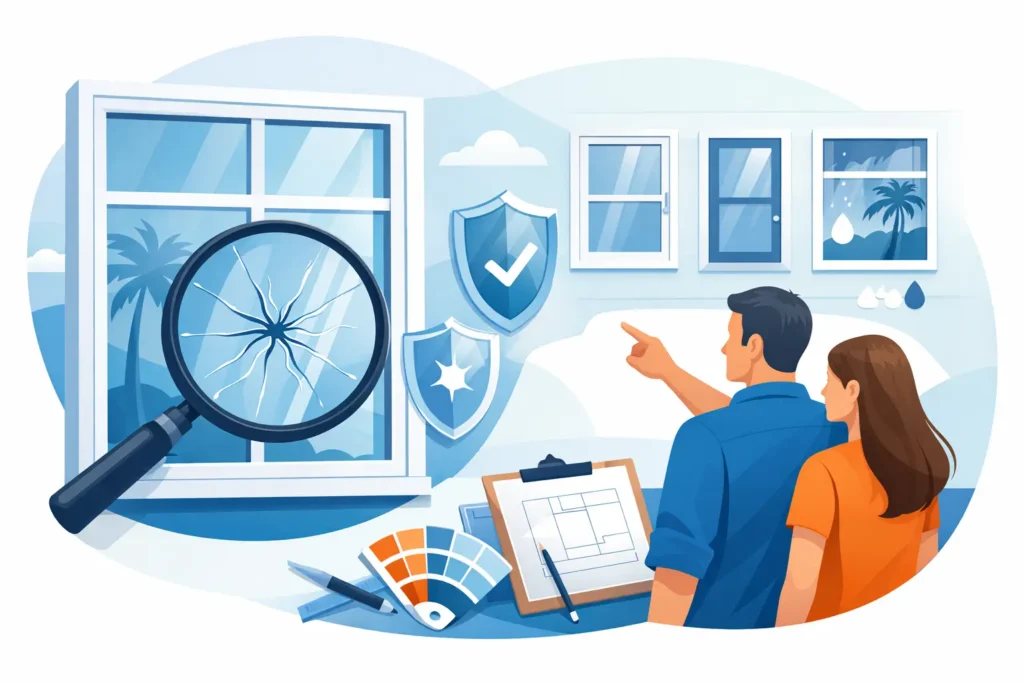
If you live in South Florida, impact windows are not a cosmetic upgrade. They are part of your storm plan, your energy plan, and often your insurance strategy too. Knowing how to choose impact windows starts with one simple idea: the best window is not just the strongest one on paper. It is the one that fits your home, your exposure, your budget, and your long-term goals.
A lot of homeowners start with glass and stop there. That is understandable, but it can lead to expensive decisions that do not actually solve the full problem. Impact windows need to perform during hurricane season, help manage heat year-round, and hold up over time in a humid, salty climate. The right choice protects your home and makes daily life more comfortable.
How to choose impact windows for your home
The fastest way to narrow your options is to think about your property in real terms, not brochure terms. A single-story inland home in western Broward may need something different than a waterfront property in Miami-Dade with wide openings and heavy sun exposure. Both need protection, but the right combination of glass, frame, and design can vary.
Start by looking at your location, the age of your home, and the size of your openings. Older homes may have framing conditions that affect which products can be installed properly. Large picture windows and sliding glass doors often need stronger systems than smaller standard openings. If your home faces open water or gets direct afternoon sun, that should shape your decision too.
This is also where priorities matter. Some homeowners are mainly focused on hurricane protection. Others want lower cooling costs, better outside noise reduction, and possible insurance benefits. Most want all of the above, but one goal usually leads the conversation. A good window package should support your main goal without sacrificing the basics.
Focus on ratings before style
When homeowners shop for impact windows, style is often the first thing they notice. Frame color, sightlines, and grid patterns matter, but performance should come first. In South Florida, you want products that meet current code requirements and are approved for the kind of wind and impact exposure your property faces.
Ask about the product approval, design pressure, and missile impact testing. Those details tell you much more than a sales pitch. A window may look solid, but if it is not rated appropriately for the opening and structure, it may not be the right fit.
This is one place where cheaper is not always better. Lower-priced options can still be good products, but only if they are properly matched to the application. Saving a little on the front end does not help if performance, longevity, or installation quality suffers later.
Why the frame matters as much as the glass
Many people assume impact resistance is all about laminated glass. The glass is critical, but the frame is what helps the whole system stay intact under pressure. A strong pane in a weak frame is not a complete solution.
Vinyl, aluminum, and hybrid systems all have their place. Vinyl can offer strong energy performance and lower maintenance. Aluminum is often valued for strength and slimmer profiles. The trade-off is that some aluminum systems may transfer more heat if they are not designed with energy performance in mind.
That is why the right answer depends on your home. If energy savings are high on your list, frame performance deserves extra attention. If you have large custom openings, structural strength may drive the choice. The best recommendation usually comes from balancing both.
Glass packages are not all the same
If you are learning how to choose impact windows, pay close attention to the glass package. Not every impact glass setup offers the same level of heat control, visible light, or interior comfort.
Low-E coatings, tint options, and laminated interlayers can all affect how the window performs. In South Florida, solar heat gain matters. A window that protects against storm debris but allows too much heat inside may leave you with higher cooling bills and hotter rooms near the glass.
That said, the darkest or most reflective option is not automatically the best one either. Some homeowners want to preserve natural light, especially in living rooms and kitchens. Others are more concerned with west-facing bedrooms that heat up late in the day. It is worth matching the glass package to the way each part of the house is used.
Think beyond the sticker price
A lot of window quotes look confusing because they combine product cost, labor, permitting, and sometimes disposal or finish work. That is why comparing line by line matters. One proposal may look cheaper at first, but leave out important parts of the installation.
When reviewing quotes, ask what is included in the full scope. Does the price include permit handling, old window removal, interior or exterior touch-up, and final inspections? Is the product warranty clear? Is the labor warranty explained in plain language? Those answers matter because they affect your true project cost, not just the initial number.
This is also where financing can make a real difference. For many homeowners, impact windows are easier to move forward with when they can spread the cost over time instead of delaying protection for another season. A good contractor should be able to explain your options clearly, without pressure or vague promises.
Installation quality can make or break the project
Even a great product can underperform if it is installed poorly. This is one of the biggest reasons homeowners should not shop by product alone. The installer matters just as much as the brand on the label.
A proper installation starts with accurate measurements and a realistic assessment of the existing opening. It continues with code-compliant anchoring, sealing, and finishing. If shortcuts are taken, you can end up with water intrusion, air leaks, or a window that never performs the way it should.
In South Florida, local experience matters. Homes here face a mix of storm pressure, intense sun, heavy rain, and salt-heavy air in coastal areas. A company that understands those conditions is more likely to recommend products and installation methods that hold up.
Questions worth asking before you sign
You do not need to become a window engineer to make a smart choice, but you should ask direct questions. Ask whether the recommended product is approved for your opening sizes and wind zone. Ask what frame material is being proposed and why. Ask how the glass package helps with both storm protection and energy performance.
Also ask who is doing the installation, how permits are handled, what the timeline looks like, and what happens if hidden issues are found during removal. Clear answers are a good sign. Evasive answers usually are not.
If a company seems overly focused on closing fast instead of educating you, take that seriously. This is a major home improvement decision. You should feel informed, not rushed.
Match the windows to the life of your home
The best impact window decision is not only about surviving the next storm. It is about how your home feels and performs for years after installation. Quieter rooms, less heat transfer, improved curb appeal, and easier maintenance all add value over time.
For some homeowners, that means choosing a premium package because they plan to stay in the home for decades. For others, it means selecting a practical mid-range option that still meets code, improves efficiency, and strengthens resale appeal. There is no one-size-fits-all answer, and that is exactly why a tailored recommendation matters.
If you are replacing your roof, doors, or even considering solar, it can also make sense to think about these upgrades together. Coordinating projects can reduce disruption and help you build a stronger, more efficient home with a more cohesive plan.
Hurricane Heroes works with homeowners across Broward, Miami-Dade, and Palm Beach who want that kind of practical protection – not guesswork, not overselling, just the right upgrade for the property.
When you are deciding how to choose impact windows, trust the numbers, trust the installation process, and trust your own priorities. The right windows should give you more than compliance. They should give you confidence every time the forecast turns serious.